

Mindfulness Practices for Patients and Caregivers
Simple relaxation techniques to ease stress and anxiety
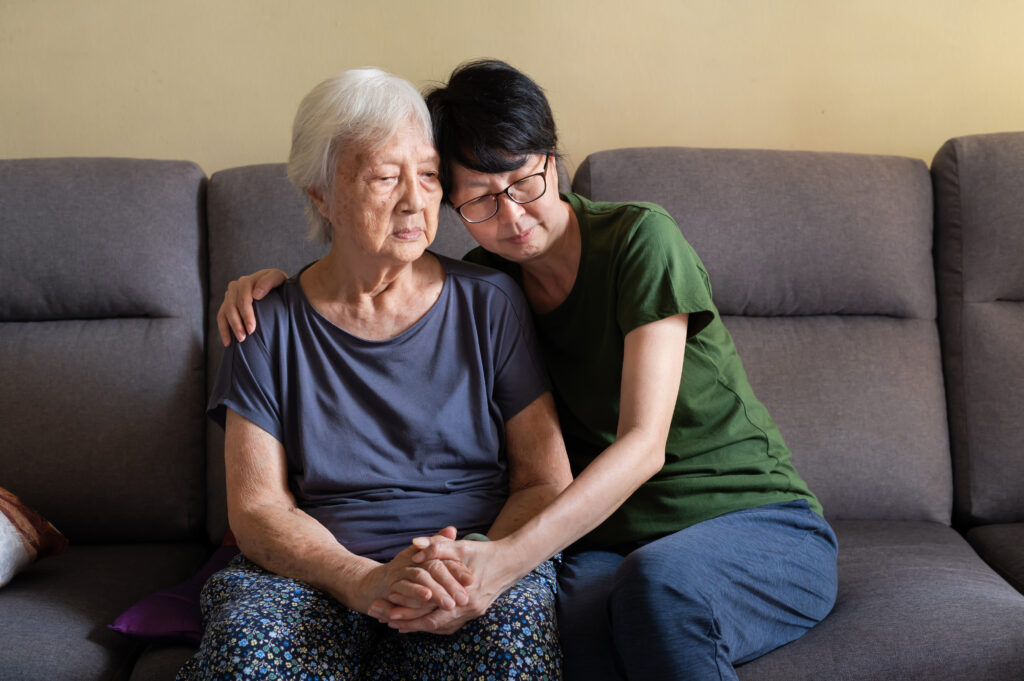
Today is National Caregivers Day, a time to recognize and honor the millions of people who provide care, comfort, and a steady presence for loved ones every day. Caring for someone with a serious illness can be deeply meaningful, but it can also be physically and emotionally demanding. Patients and caregivers alike often carry stress that accumulates quietly over time. Mindfulness practices offer gentle, practical ways to pause, breathe, and reconnect with the present moment, even during difficult days.
According to national caregiving research, more than 1 in 3 adult caregivers report feeling overwhelmed, and many experience ongoing stress, anxiety, or sleep disruption related to their role. At Gilchrist, we recognize that caregiving is not just a set of tasks, but a responsibility that can affect every part of a person’s life. Mindfulness does not require special equipment or long stretches of free time. Many practices can be done in minutes, wherever you are.
Recognizing Caregiver Stress
Caregiver stress is the physical and emotional strain that can come from providing ongoing care. Over time, unaddressed stress may contribute to anxiety, depression, fatigue, and other health concerns.
Common signs include:
• Constant fatigue or trouble sleeping
• Frequent headaches or body aches
• Feeling irritable, sad, or overwhelmed
• Loss of interest in activities you once enjoyed
• Feeling isolated or alone
Research shows that prolonged caregiver stress can also weaken the immune system and increase the risk of chronic health conditions. Recognizing these signs early is an important form of mindfulness and an invitation to seek support.
What Mindfulness Looks Like in Caregiving
Andrea “Beth” Layman, LCSW-C, Social Work Department Manager at Hospice of Washington County and Franklin Hospice, describes mindfulness in caregiving as starting with awareness and communication. “Being mindful,” Beth explains, “can be as simple as recognizing when you are overwhelmed and sharing those feelings with someone who can help, such as a hospice social worker.”
In many cases, these conversations fall under what Beth calls “supportive counseling”, a supportive space to process emotions, gain perspective, and identify practical resources. Caregivers are not meant to navigate stress alone, and acknowledging the weight of the role can be a meaningful first step.
The Power of “Just Breathe”

One of the most accessible mindfulness tools is deep breathing. Even brief breathing exercises have been shown to calm the nervous system, lower stress hormones, and reduce feelings of anxiety. “Deep breathing techniques can be a good suggestion,” Beth says. “I have sometimes suggested meditation or taking deep breaths if feeling anxious. Just breathe.”
Try this simple breathing exercise:
• Sit comfortably or lie down
• Place one hand on your chest and one on your belly
• Inhale slowly through your nose for a count of four
• Hold for a count of two
• Exhale slowly through your mouth for a count of six
• Repeat for one to two minutes
Small Moments of Grounding
Not every caregiver has the ability, or energy, to leave the house for a walk or formal exercise. That’s okay. Mindfulness can still happen in small, everyday ways. “A lot of our patients and caregivers can’t get out for a walk,” Beth notes, “but fresh air or some kind of redirection of thoughts is helpful.”
Consider:
• Sitting by an open window and noticing sounds or sunlight
• Stepping outside briefly to take a few deep breaths
• Focusing attention on a simple task, like folding laundry or washing dishes
These small moments can offer a mental reset and a sense of steadiness during busy or emotionally heavy days.
Mindfulness-Based Ways to Manage Stress
Along with breathing and supportive counseling, caregivers often find relief through simple, realistic practices such as:
• Gentle movement, including stretching, light walking, or gardening
• Meditation, even for a few minutes at a time
• Journaling to release thoughts and emotions
• Creative outlets like music, coloring, or quiet hobbies
• Connection through phone calls, video chats, or support groups
Support groups, Beth adds, can be especially helpful. “Support groups are beneficial because people get to share problems and feel a sense of normalcy,” she explains, acknowledging that many caregivers face challenges with leaving home. When available, virtual options can make connections more accessible.
You Don’t Have to Do This Alone

Mindfulness is not about doing everything perfectly. It is about noticing when you need support and allowing yourself to receive it. Hospice social workers are part of the interdisciplinary care team, helping patients and caregivers navigate stress, emotions, and practical concerns. As Beth reminds caregivers, being mindful can begin with one simple step: sharing how you are feeling.
Gilchrist, Hospice of Washington County, and Franklin Hospice offer caregiver workshops and supportive programs designed to help manage challenges such as caregiver stress, emotional fatigue, and role strain. To learn more and stay informed about upcoming caregiving workshops and events, visit our website at https://gilchristcares.org/.