

How Hospice Care Has Evolved and Where It’s Headed Next
When most people hear the word hospice, they still picture a quiet hospital room, a final few days, and little more than pain medication and waiting. But today’s hospice care looks very different.
At Gilchrist, hospice is about living as fully and comfortably as possible, surrounded by expert care, meaningful connection, and support that extends to the entire family. Understanding how hospice has evolved helps families make informed decisions earlier and experience the full benefit of compassionate end-of-life care.
Then: Hospice as a Final Step
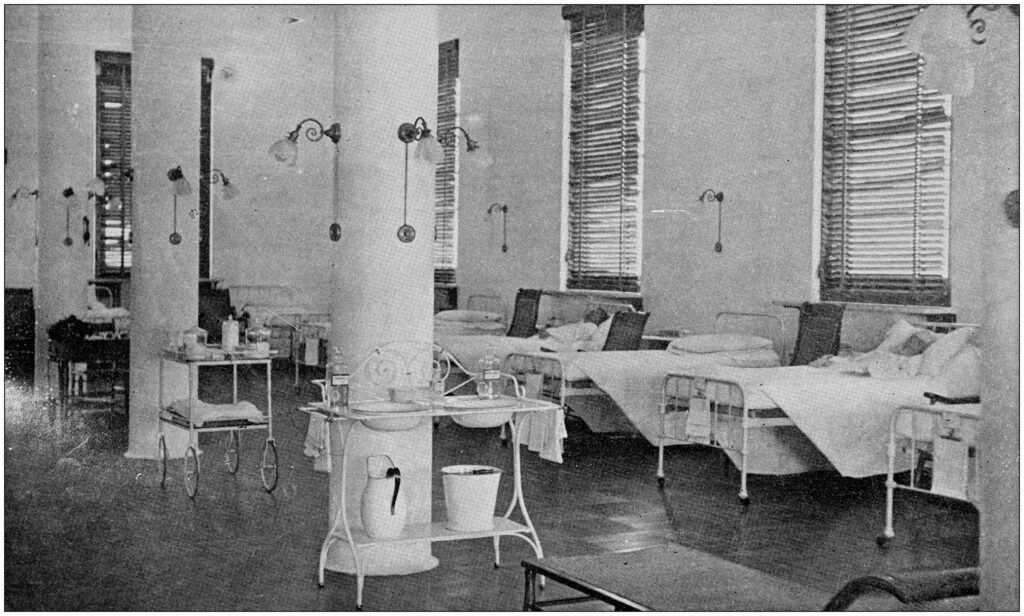
The hospice movement in the United States began in the 1970s, inspired by a growing recognition that patients nearing the end-of-life deserved comfort, dignity, and emotional support, not just aggressive medical treatment. Early hospice programs were small, often volunteer-led, and primarily focused on:
- Managing pain in the final days or weeks of life
- Providing basic emotional support
- Offering care in limited settings
- Relying heavily on community fundraising and charitable efforts
Public awareness was limited, and many families were referred to hospice only when curative treatment options had ended. While these early programs laid a vital foundation, hospice care has since grown into a comprehensive model that supports patients much earlier and more holistically.
Now: A Team-Based, Whole-Person Approach
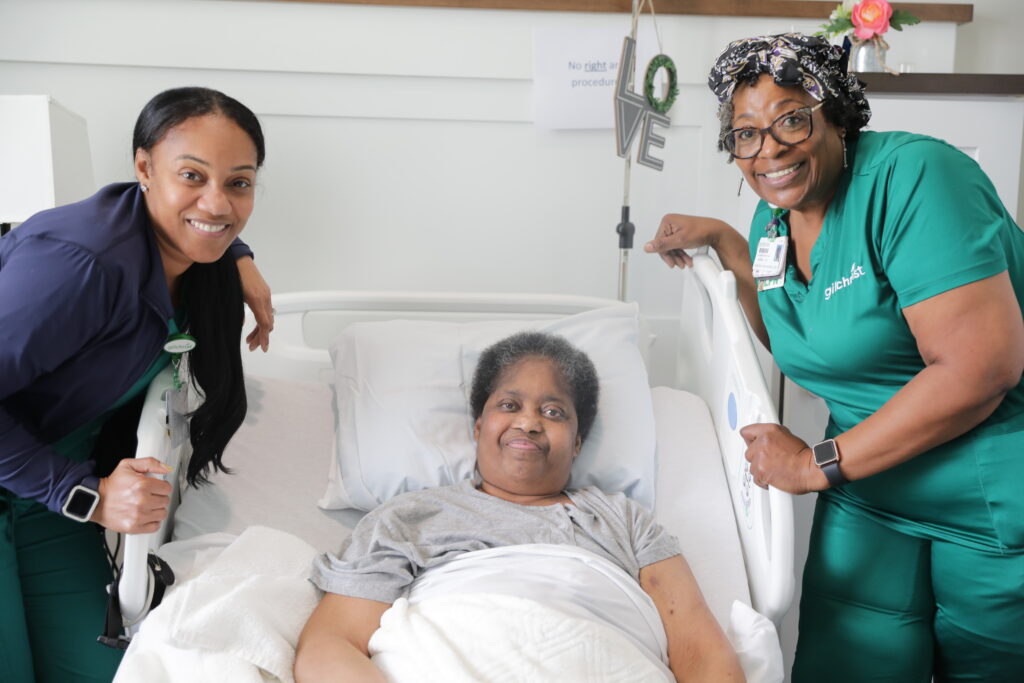
Modern hospice care centers on an interdisciplinary team working together to meet each patient’s medical, emotional, and spiritual needs. Together, they focus on managing symptoms, supporting family caregivers, and helping patients with comfort and their quality of life. At Gilchrist, this team includes:
- Physicians and nurse practitioners
- Registered nurses and certified nursing assistants
- Social workers
- Chaplains, Rabbis, and spiritual care counselors
- Grief counselors
- Volunteers
- Specialized Patient & Family Support Programs (link to https://gilchristcares.org/support/)
Expert Symptom Management
Hospice clinicians today have advanced training in pain and symptom management. Patients living with serious illness often experience complex challenges such as shortness of breath, anxiety, fatigue, or nausea. Hospice care helps address these symptoms in ways that allow patients to remain comfortable, often at home.
One of the most significant changes in hospice care is flexibility. At Gilchrist, services are provided in private homes, senior living communities, or at one of our care centers. This allows patients to receive care in familiar surroundings whenever possible.
Emotional and Spiritual Support
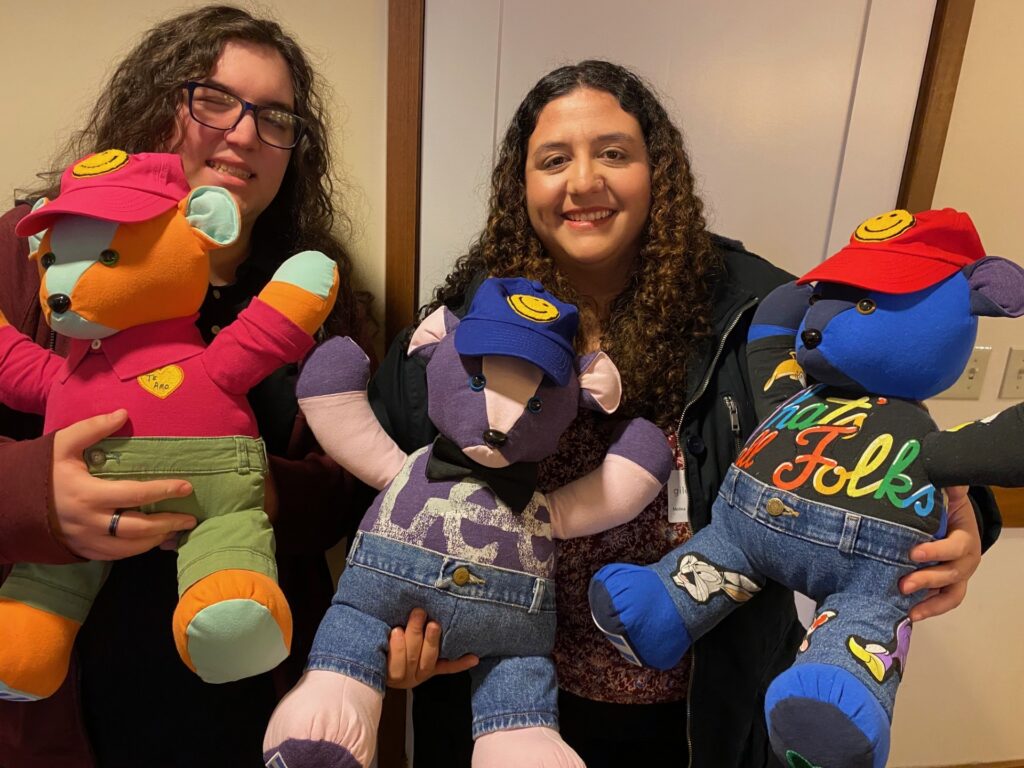
Serious illness affects every aspect of life. Hospice care now routinely includes counseling, spiritual care, legacy work, and opportunities for reflection. Programs such as memory-making activities, music therapy, and grief workshops help patients and families stay connected to what matters most.
Support for Families
Caregivers are central to the hospice journey. Gilchrist offers education, respite care, and ongoing bereavement support to help families feel prepared, supported, and less alone. Grief counseling and support groups are available for months after a loss, reflecting hospice’s commitment to caring for the entire family.
Earlier Access, Better Quality of Life
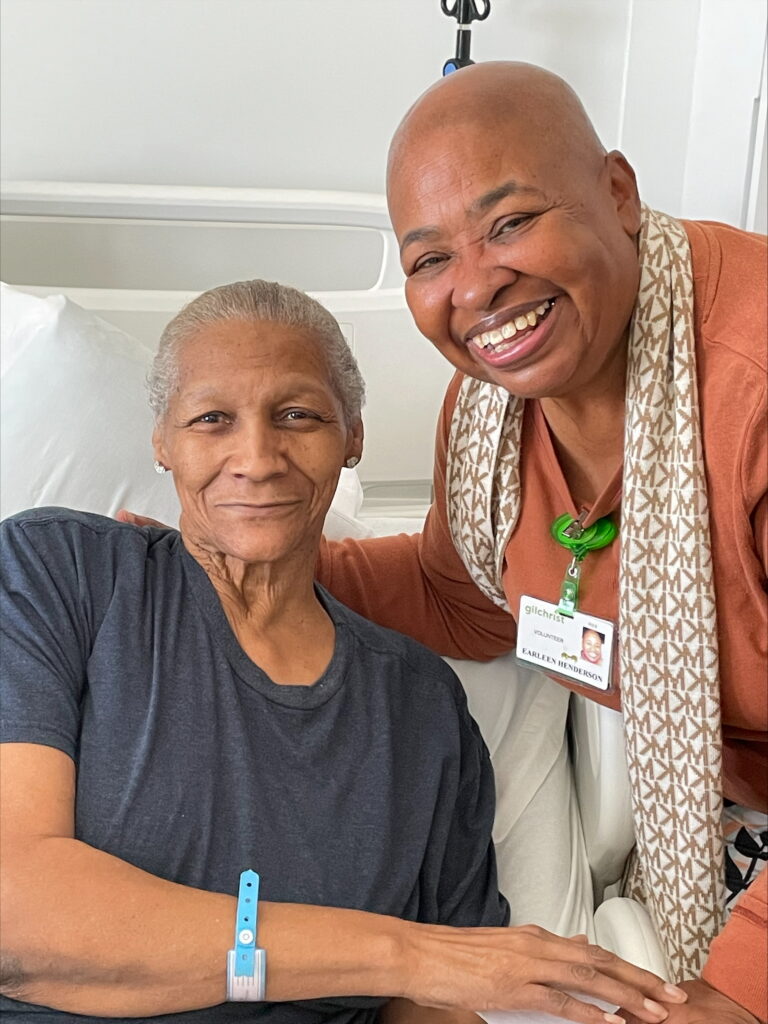
Another major shift is the growing understanding that hospice is most beneficial when introduced earlier. Patients who enroll sooner often experience:
- Better symptom control
- Fewer emergency hospital visits
- More meaningful time with loved ones
- Greater emotional preparedness
Gilchrist also offers home-based palliative care services, which provide support earlier in serious illness, sometimes long before hospice eligibility. This continuum of care helps patients navigate changing health needs with confidence and continuity.
Expanding Services for Changing Needs
Hospice care continues to evolve in response to community needs and advances in healthcare. These programs reflect a broader vision of hospice as not only end-of-life care, but a vital part of serious illness support. At Gilchrist, innovation includes:
- Pediatric hospice services through Gilchrist Kids
- Specialized volunteer programs such as companionship and complementary therapies
- Cultural and language-specific outreach
- Virtual grief support
- Community education and caregiver resources
Looking Ahead: The Future of Hospice Care
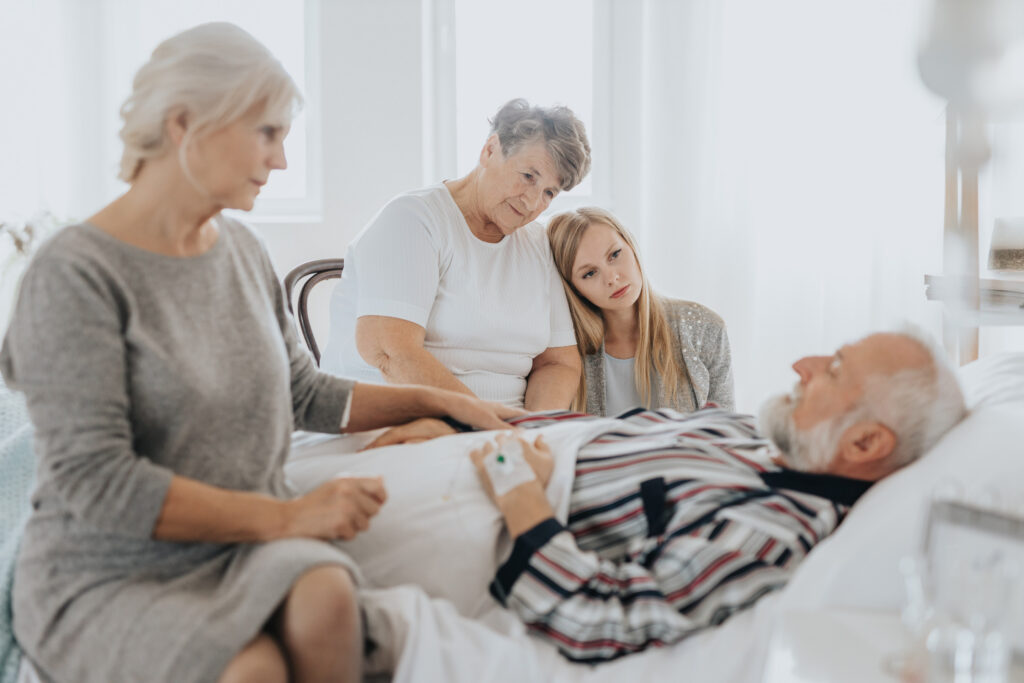
As awareness grows, hospice providers are working to expand access and ensure equitable care for all communities. Hospice is becoming more visible, more proactive, and more centered on patient goals than ever before. Future directions include:
- Greater integration with hospitals and healthcare systems
- Continued focus on personalized care planning
- Expanded support for caregivers and underserved populations
- Stronger community partnerships and volunteer engagement
Compassion That Continues to Grow
While hospice care has changed dramatically over the decades, its core mission remains the same: to provide comfort, dignity, and compassionate support during one of life’s most meaningful transitions. At Gilchrist, hospice is not about giving up. It is about helping patients and families live fully, with expert care, understanding, and connection every step of the way.