

Care You Can Trust: Understanding Hospice and Palliative Care
When you or someone you love is facing a serious illness, knowing where to turn for care can feel overwhelming. What kind of support is available? When is the right time to ask for help? And how can you be sure the care you receive reflects what matters most to you? These questions matter, and understanding your options can make a meaningful difference.
Each November, National Hospice and Palliative Care Month raises awareness about the specialized care available to people living with serious illness and their families. This year’s theme, “Care You Can Trust,” focuses on helping people understand what high-quality hospice and palliative care look like. At Gilchrist, that means providing expert, compassionate care centered on each person’s goals, wishes, and quality of life.
What Is Hospice Care?
One of the most common misconceptions about hospice is that it is only for the final days of life. In reality, hospice can provide support for weeks or even months, giving patients and families more time to benefit from its services. Hospice is designed for people with serious illness who are nearing the end of life and have chosen to focus on comfort and quality of life rather than curative treatment. The goal is to help people live as comfortably and meaningfully as possible by managing pain and other symptoms while also addressing emotional, social, and spiritual needs.

And hospice isn’t necessarily a place. Most people receive hospice care wherever they call home. Depending on a person’s needs, care may also be provided in a care center, hospital, nursing home, or assisted living community. At Gilchrist, hospice care goes beyond addressing a person’s medical needs. An interdisciplinary team may support patients and families, including physicians, nurse practitioners, nurses, social workers, hospice aides, chaplains, volunteers, therapists, and grief counselors. Together, they care for the whole person and support the people who love them.
Hospice can also provide medications, equipment, and supplies related to the hospice diagnosis, caregiver education and support, respite resources, and grief and bereavement services for loved ones. Choosing hospice does not mean giving up. It means choosing to focus on comfort, quality of life, and meaningful time with the people who matter most.
What Is Palliative Care?

Hospice and palliative care share an important goal: helping people live as well as possible while facing serious illness. But they are not the same. Unlike hospice, palliative care can begin at any stage of a serious illness, even at the time of diagnosis, and patients can receive it while continuing treatments intended to cure or manage their illness. A person does not need to be nearing the end of life or have a terminal diagnosis to benefit from palliative care.
Palliative care can help manage pain and other symptoms, reduce the stress of serious illness, help patients understand treatment options, coordinate care among multiple healthcare providers, and plan future healthcare decisions. It also provides emotional, social, and spiritual support for patients and their families. Just as importantly, palliative care begins with the individual. No two people experience serious illness the same way, so care should reflect each person’s goals, values, and wishes.
What Does “Care You Can Trust” Look Like?
High-quality hospice and palliative care are about more than managing symptoms. They are about listening. It means understanding what matters most to each person and building those priorities into the care plan. It means helping patients and families understand their choices so they can make informed decisions. And it means surrounding them with a team that considers not only physical needs, but emotional, social, and spiritual well-being.
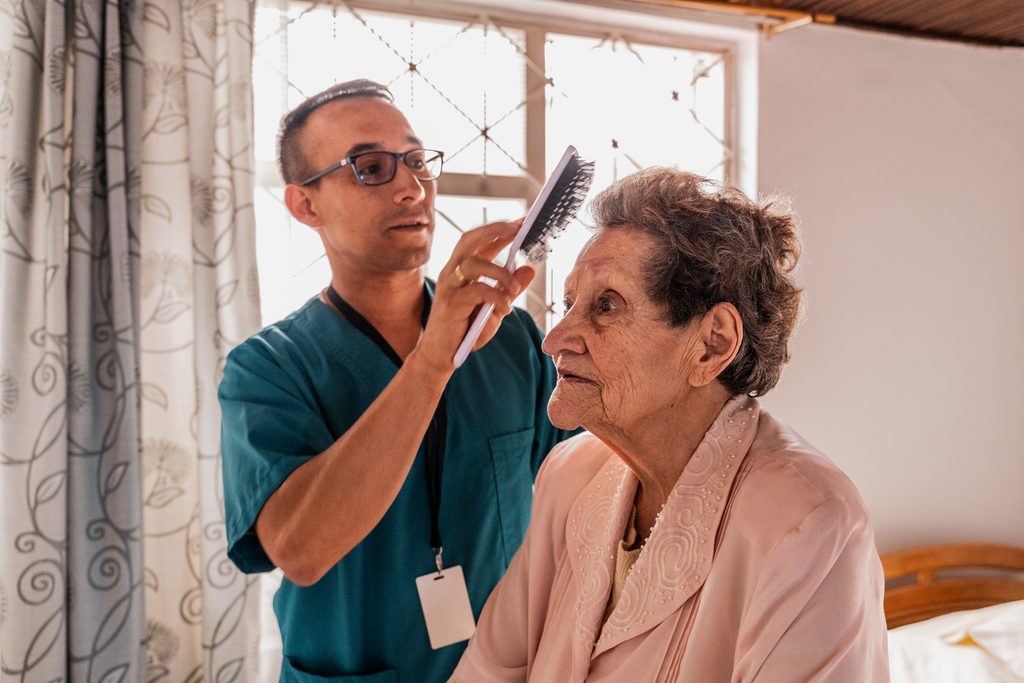
For hospice patients, that may mean managing symptoms so someone can remain comfortable at home, helping a family understand what to expect, or providing emotional and spiritual support during an incredibly difficult time.
For someone receiving palliative care, it might mean finding symptom relief while continuing treatment, coordinating care among several specialists, or having conversations about personal goals and future healthcare decisions.
In both cases, the focus is on the person, not simply the illness. As the National Partnership for Healthcare and Hospice Innovation’s public guide explains, hospice and palliative care are ultimately about “living well: on your own terms with the support you need.”
Knowing Your Options Can Make a Difference
Too often, patients and families learn about hospice or palliative care only when they are already in a crisis. Learning about these services earlier can give families more time to ask questions, consider their options, and receive the support available to them.
This National Hospice and Palliative Care Month, Gilchrist encourages everyone to learn more about these important types of care. You don’t need to wait until you need them to understand what they offer. Having these conversations now can help you make more informed decisions for yourself or someone you love in the future. Because when serious illness changes life, every patient and family deserves care they can trust.