

A Lifetime of Service, Family, and Compassionate Care: Frank and Bonnie Stein’s Journey with The Lifecare Institute
For decades, Bonnie Stein has dedicated her life to leadership, philanthropy, and advocating for compassionate, community-centered healthcare. So when her husband Frank’s Parkinson’s disease progressed and their family found themselves in need of support, Bonnie turned to The Lifecare Institute.
The Lifecare Institute is a nonprofit partnership between Luminis Health and Gilchrist, a nationally recognized leader in serious illness care, established to address the growing need for palliative and hospice services in Anne Arundel and Prince George’s Counties. Together, the organizations provide comprehensive support for patients and families facing serious illness, helping them navigate complex medical decisions while maintaining quality of life. Through their guidance, Bonnie experienced firsthand the comfort, reassurance, and compassionate care she has long believed every family deserves.
A Detective, Mentor, and Devoted Family Man

Bonnie Bressler Stein and Frank met through a mutual friend who was determined the two would make a perfect match. Their relationship quickly became the foundation for a strong and loving family. They were married for 36 years and built a close-knit blended family together. Between them, they have four children, 12 grandchildren, and six great-grandchildren. Bonnie credits Frank’s support for helping make her own successful career and volunteer leadership possible. “If he hadn’t supported my career, I wouldn’t have had the career I had or the time to volunteer,” she shares.
Francis Joseph “Frank” Stein lived a life centered around service, family, and connection. Born in Baltimore City on March 6, 1943, Frank spent 30 years serving with the Maryland State Police Criminal Investigation Division, where he became known not only as a respected investigator, but also as a mentor who guided countless younger troopers throughout their careers. Friends and colleagues often described Frank as a “gentle giant.” He loved sharing stories, offering advice, and helping others succeed. Outside of work, Frank was a devoted family man, an avid golfer, and a lifelong Orioles and Ravens fan who loved spending time with the people he cared about most.
Bonnie Stein’s Legacy of Leadership and Philanthropy
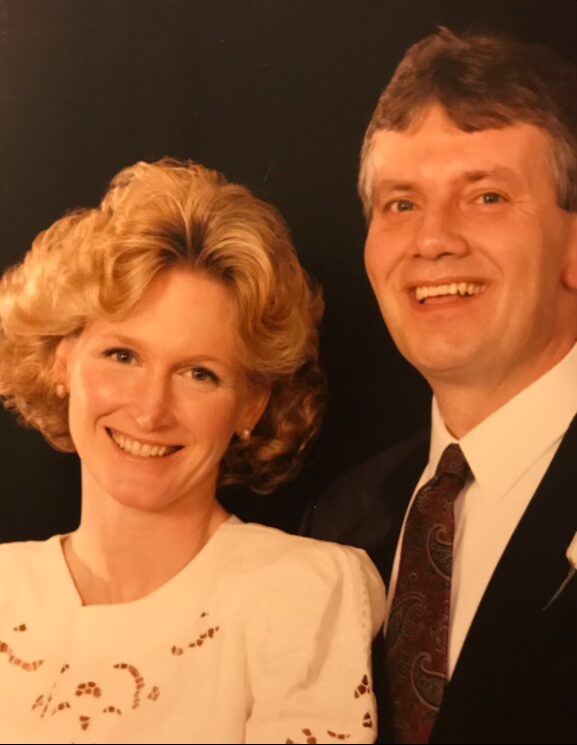
Throughout her life, Bonnie Stein has dedicated herself to leadership, mentorship, philanthropy, and community service. A longtime supporter of GBMC HealthCare, Bonnie served as Chair of the GBMC HealthCare Board of Directors from 2014–2017, helping guide strategic growth and patient-centered initiatives. She also played an instrumental role in philanthropy and fundraising efforts supporting healthcare innovation and compassionate care throughout the Baltimore region.
Before retiring in 2014, Bonnie spent more than 40 years working in wealth management and leadership development. She served as Executive Vice President and Managing Director for talent acquisition, field readiness, and leadership development for PNC’s asset management group. Following retirement, Bonnie co-founded an investment advisory firm focused on supporting women and promoting financial literacy for younger generations. Her leadership and community impact have earned numerous honors over the years, including recognition as one of Maryland’s Top 100 Women, induction into The Daily Record’s Circle of Excellence, and most recently, induction into The Baltimore Sun’s Business and Civic Hall of Fame in 2026.
Yet despite her many professional accomplishments, Bonnie says some of the most meaningful lessons in her life came through caregiving and supporting loved ones through serious illness. “My involvement with hospice began back in the mid-80s,” Bonnie shares. “Hospice has always been something that’s been very near and dear to me in terms of end-of-life care.”
Over the years, Bonnie helped care for multiple loved ones, including her mother and stepfather. Those experiences shaped her understanding of the importance of compassionate end-of-life support. “I thought it was really important because one day I’m going to be that patient,” Bonnie says. “I want to make sure my kids have seen a good example of how it’s supposed to be.”
Turning to The Lifecare Institute
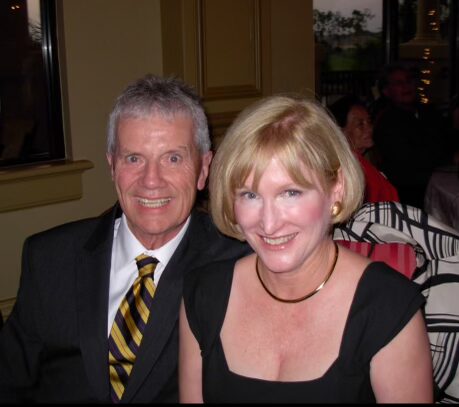
When Frank’s Parkinson’s disease progressed and his health began to decline, Bonnie knew she wanted him to remain at home surrounded by family. When someone gently suggested they may need to find another place for his care, Bonnie immediately knew what she wanted for Frank’s final chapter. “I said, ‘No, no, no. We have the place. We just need to figure out how we want to go about this. I want to care for him here at home,’” Bonnie recalls. “I wouldn’t do it any other way.”
Initially, Bonnie sought palliative care support while navigating Frank’s changing needs. Although early palliative care can improve quality of life, reduce unnecessary hospitalizations, and help patients and families navigate complex medical decisions, many people never have the opportunity to benefit from it because they are unfamiliar with the service or are referred too late. The Lifecare Institute’s dedicated palliative care team helps patients manage symptoms, coordinate care, and maintain quality of life long before hospice care is needed.
Bonnie was connected with Dr. Lakshmi Vaidyanathan, whom Bonnie describes as “absolutely wonderful.” “She came to the house, and we started palliative care,” Bonnie says. Frank later transitioned to hospice services through The Lifecare Institute’s Anne Arundel team, receiving care at home from October 2025. Bonnie says the support extended far beyond medical care. “Most people don’t understand the level and depth of support you get from palliative care or hospice care,” she shares. “It’s as much for the family as it is for the patient.” She quickly realized the care team became a source of comfort, reassurance, and guidance during one of the hardest periods of her life. “I would look forward to when they were coming,” Bonnie says. “If there was something that I wasn’t picking up on, they would, because that’s what they do.”
Support Through the Hardest Moments
As Frank’s illness progressed, Bonnie experienced firsthand how overwhelming caregiving can become. One especially difficult night remains vivid in her memory. “I called the after-hours number at four o’clock in the morning,” Bonnie recalls. “The nurse told me, ‘I’ll be there within 30 minutes,’ and she was there in about 20.”
The nurse stayed through the early morning hours helping Bonnie care for Frank during an overwhelming situation. “It wasn’t just the fact that she came,” Bonnie says. “It was the fact that there was somebody there for me to talk to when I knew I was completely over my head.” Bonnie says moments like that reminded her she was never navigating caregiving alone. With the support of The Lifecare Institute team, Bonnie was occasionally able to step away briefly to recharge. “It just gave me enough time to be something other than a caregiver,” she says.
Helping Families Understand Hospice Earlier
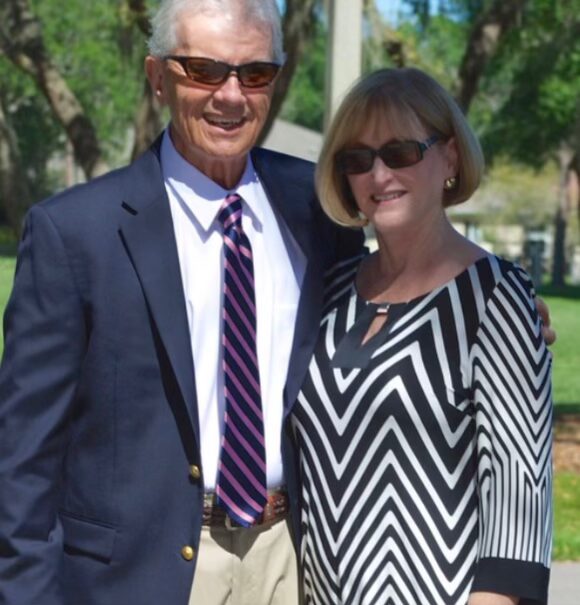
Bonnie hopes more families understand that hospice isn’t about giving up, but about gaining support, comfort, and guidance during one of life’s most difficult chapters. “People think of hospice only as end-of-life care, so they wait until the last minute,” Bonnie explains. “They don’t realize how enriched those last weeks, months, or days can be when you have hospice support.”
She also hopes more families learn about palliative care earlier in the course of a serious illness. By addressing symptoms, providing emotional support, and helping families navigate complex healthcare decisions, palliative care can improve quality of life long before hospice care becomes necessary. She also hopes families understand they don’t have to carry the burden of caregiving alone. “I think where the real burnout and frustration comes from when you don’t know what to do,” Bonnie says. “Reaching out for help makes all the difference.” For Bonnie, caring for Frank at home became one final act of love and an opportunity to show her children and grandchildren the importance of compassion, dignity, and family support during life’s hardest moments.
A Mission Rooted in Compassion
Throughout her life, Bonnie has dedicated herself to helping others through leadership, philanthropy, mentorship, and community service. That same spirit of compassion is at the heart of The Lifecare Institute’s mission. As a nonprofit organization, The Lifecare Institute provides compassionate care, counseling, and support to people facing serious illness and end-of-life journeys, regardless of financial circumstances or ability to pay. Community support and philanthropy help ensure every patient and family can receive the comfort, dignity, guidance, and support they deserve.