

Celebrating Myrna: A Life of Love, Strength and Community
When you ask sisters Diane Daniels, Gilchrist’s Director of Development for Howard County, and Wendy Oshiki to describe their mom, Myrna Watkins, they don’t hesitate. She was vibrant. Creative. Tough. She was the mom who welcomed every neighborhood kid, the woman who built community wherever she went, and someone who fought fiercely for the people she loved. In the final chapter of her life, that same love surrounded her through the care she received from The Lifecare Institute, a collaboration between Gilchrist and Luminis Health. “She had more challenges in her life than probably anyone else I have ever known,” Diane says. “She was a fighter, a survivor, and a lover of life and people.”
A Heart That Welcomed the World
Myrna’s life was defined by resilience. After growing up with a deeply difficult childhood, she made herself a quiet promise: her own children—Wendy, Caren, and later her stepdaughter, Diane—would know a different kind of childhood. When she married Diane’s father, Bob, she didn’t just join a new family; she intentionally built one. “My dad and Myrna told everyone that we were all three their kids,” Diane says. “She was “mom” to me in a way that I didn’t have.”
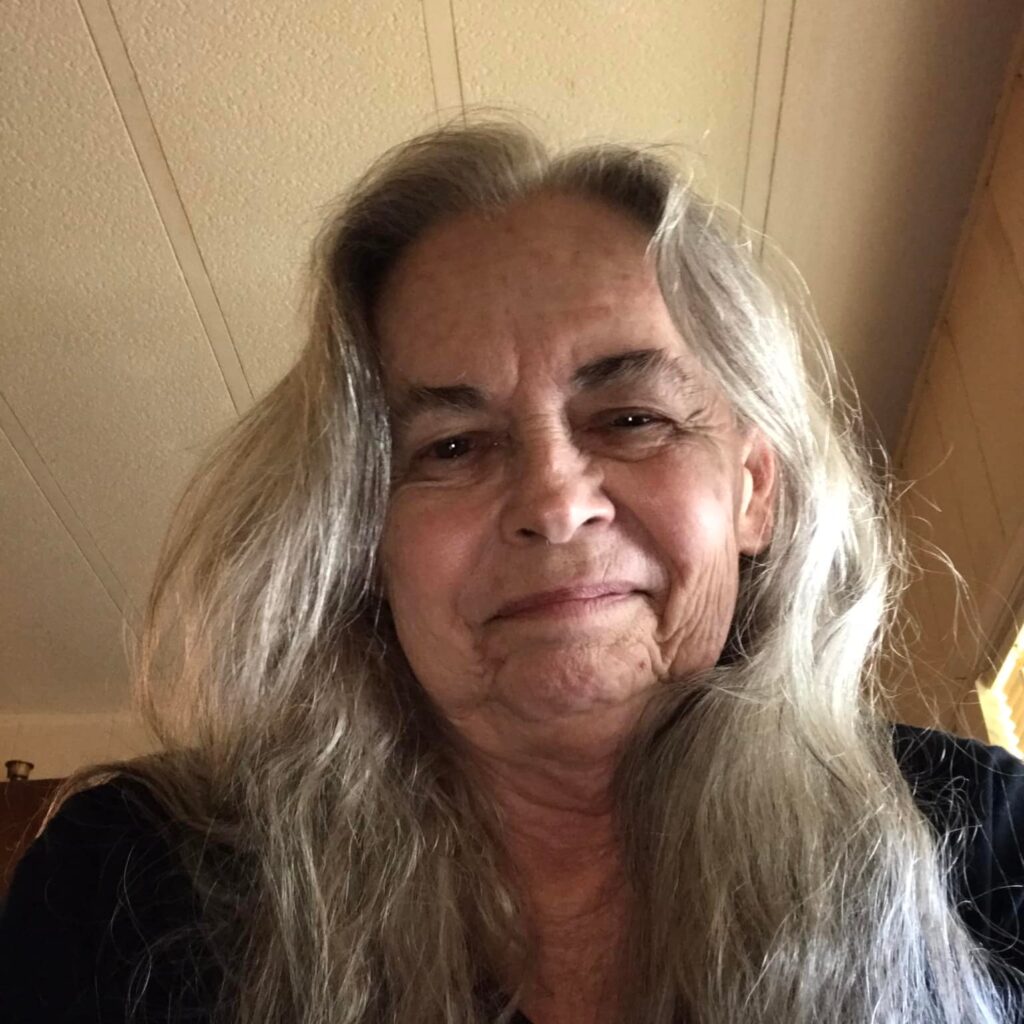
At home, she was known for her warmth, creativity, and for making everyday moments feel special. “She was a great cook,” Diane recalls. “Pot roast, meatloaf, fondue nights… our house was always sparkling clean.” She was also the “cool mom” everyone loved; neighborhood kids flocked to her kitchen to talk, laugh, and feel at home, most calling her “Mom.”
Adventure came when she and her husband, Bob, traveled extensively and even moved to Indonesia for his work with U.S.A.I.D. Myrna didn’t just adapt, she embraced it. She learned the language, navigated busy local markets with ease, hosted dinners, and built friendships wherever she went. Myrna looked out for Bob’s well-being—standing by him through many years of medical challenges, attending appointments, and advocating for his care.
In her later years, while living in Lothian in Anne Arundel County, Myrna once again created a warm circle of friends who looked after one another. As her mobility declined, her children made long drives to bring her to holiday gatherings, but over time she preferred the comfort of the home and friendships she had nurtured right where she was. Through each chapter of her life, Myrna led with warmth, generosity, and an openness that drew people in.
A Daughter’s Commitment: Wendy’s Journey as Caregiver
As Myrna’s health declined and her pain worsened, her oldest daughter, Wendy, found herself stepping into a role she never expected. Living in Manassas, Virginia, she had already been helping with appointments and accessing her mom’s medical records. But after a series of falls, Myrna was admitted to Doctors Community Hospital and became too weak to manage safely on her own. The hospital recommended rehab, but Myrna wanted the comfort of her own home. She wanted to spend her final days surrounded by familiar things—her pets, her routines, and the life she had built. This was when Diane’s experience at Gilchrist became especially important.
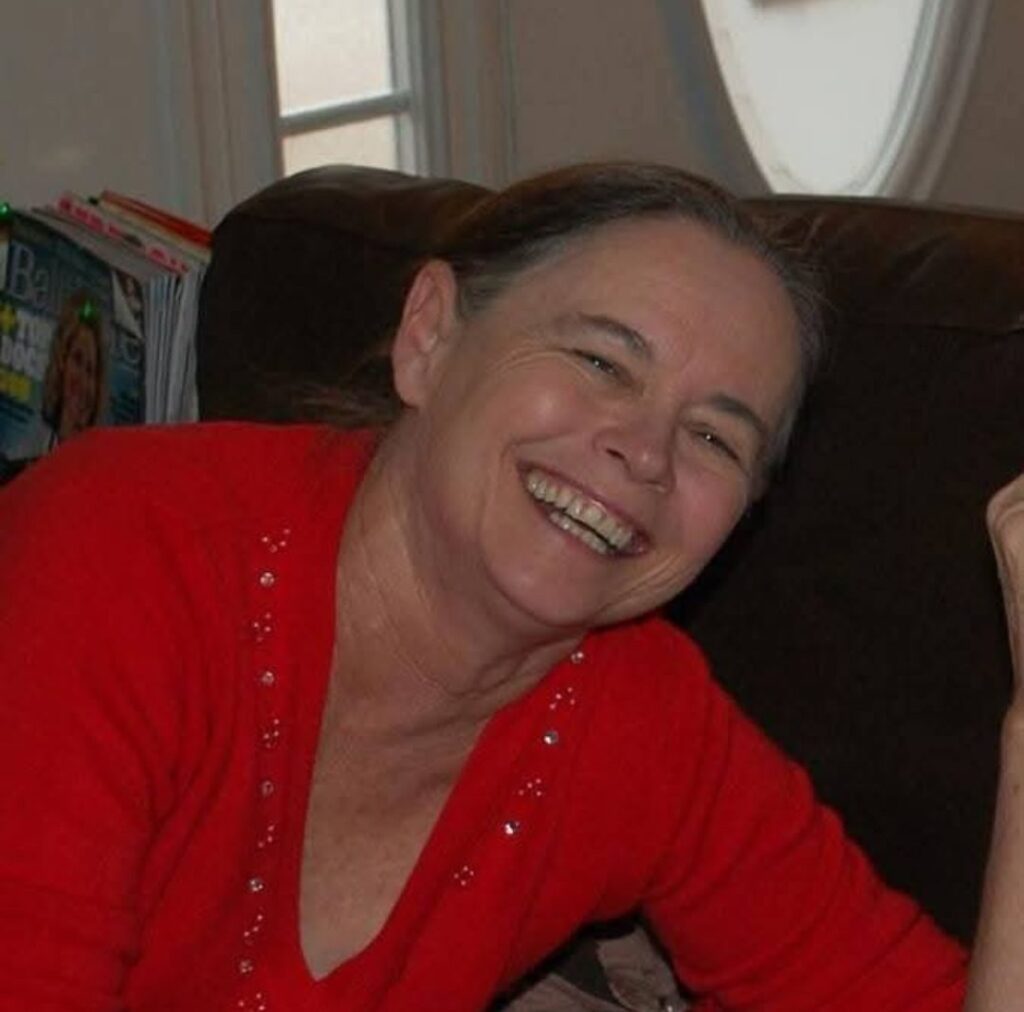
“I knew it wasn’t a coincidence,” Diane shares. “Here I was working at Gilchrist, we had this partnership with Luminis Health in Anne Arundel, and now my stepmom needed exactly the kind of support we provide.”
Diane suggested a palliative care consult at the hospital. The team met with Myrna and her daughters, talked through her goals, and helped the family understand their options. With reassurance and guidance, the decision was made for Myrna to go into hospice care at her home through The Lifecare Institute. “She didn’t like the word ‘hospice,’” Diane says. “She didn’t even like the word ‘care.’ But she liked the word ‘comfort.’ And that’s exactly what she wanted—comfort.”
Once Myrna was discharged, Wendy became her full-time caregiver almost overnight. “For a while I was going back and forth, staying a couple of days at a time,” Wendy says. “Then two days after Christmas, I got in the car and moved over there for almost two months.” The days were long and often overwhelming. Wendy managed medications, helped with mobility, coordinated visitors, and tried to keep her mom comfortable. It stretched her emotionally and physically. “It was extraordinarily difficult,” she says. “But I was grateful I could do it.” What made the difference, she says, was Gilchrist and The Lifecare Institute.
“Everybody who came in was phenomenal,” Wendy recalls. “The nurse, the aide who taught me how to do things, the people who were always there when I had questions… I can’t say enough good things about them.” The support allowed her to focus on caring rather than managing everything on her own. “Without Gilchrist and The Lifecare Institute, I couldn’t have done it,” she says. “They gave me the confidence to help my mom through the hardest part of her life. They made it possible for her to be at home, and that mattered to her more than anything.”
When Compassion Becomes Personal
For years, Diane had listened to families describe Gilchrist staff as “angels”—the nurses who steady you, the aides whose calm presence fills a room, the volunteers who sit beside you simply so you aren’t alone. She heard these words every week in her role at Gilchrist, but it wasn’t until she walked through her mom’s final chapter that their meaning landed in a new, deeper way.
As the hospice team explained the services available, Diane felt a mix of gratitude and emotion—wanting her mom to have comfort but also wanting every decision to feel right for her. When Myrna declined chaplain support, since she wasn’t religious, Diane remembered that The Lifecare Institute can support families with death doulas and suggested the idea to her family. It felt like a gentle alternative, one rooted in presence rather than prayer.
What happened next was something Diane and Wendy will never forget.
What Is a Death Doula?
Many people have heard of birth doulas: trained companions who support families through pregnancy and childbirth. A death doula offers similar support at the end of life.
Death doulas (also called end-of-life doulas) provide emotional, spiritual and practical guidance before, during and after death. They do not replace nurses, aides or chaplains. Instead, they:
- listen deeply and without judgment
- help people talk about fears, wishes and legacy
- identify meaningful rituals or traditions
- support loved ones during the early stages of grief
- offer presence, reassurance and comfort at the bedside
Through Gilchrist and The Lifecare Institute, families like Myrna’s have access to this additional layer of support during one of life’s most tender moments.
A Final Gift: The Comfort of a Death Doula
When the death doula first arrived, Myrna was no longer speaking or taking in food or water, yet something seemed to be keeping her here. The doula sat with the family, asking soft, thoughtful questions— “What mattered most to her? What might she still be holding onto?”—inviting them to look at Myrna’s life in a wider, more tender frame. Her guidance didn’t replace the medical care, it complemented it, giving Diane and her family room to breathe, reflect, and care for Myrna in a way that felt true to who she was.
With calm insight, she helped them reflect on the relationships Myrna cherished, the loved ones she had lost, and the way she had always carried responsibility for others. Together, the family reminded Myrna of the people who had shaped her life and the ones who might now be waiting for her. What followed was unforgettable. The doula’s words became a bridge, guiding her peacefully onward while giving comfort, resolution, and healing. The family’s lives were forever touched by the doula’s presence.
They told Myrna she had done enough, cared enough, loved enough—and that her family would be all right. “She was so reassuring,” Wendy says. “By the end I thought, ‘OK—we’re on the right track.’ She helped Mom have peace, and she helped us have closure too.”
“She helped bring comfort and peace,” Diane says. “It was exactly what Mom needed. And exactly what we needed, too.”
A Lasting Impression of Care
Looking back, both sisters describe their experience with The Lifecare Institute with the same unmistakable gratitude. “Our whole experience with Gilchrist and The Lifecare Institute was amazing,” Wendy says. “I can’t thank them enough for how much they helped.” For Diane, the journey affirmed what she has heard countless times from families. “The compassion and care were what I expected,” she says. “But this time, I was able to experience it firsthand.”
If you or someone you love could benefit from hospice care, or if you would like to learn more about Gilchrist or The Lifecare Institute, please visit: https://gilchristcares.org/luminis-health-gilchrist/