

Home Where He Wanted to Be: How The Lifecare Institute Helped Thomas Harbach Spend His Final Months Surrounded by Family
For nearly a century, Thomas Richard Harbach approached life with curiosity, determination, and devotion to his family. Thomas spent more than three decades at NASA’s Goddard Space Flight Center, helping develop satellites, contributing to the Hubble Space Telescope, and traveling the world to advance space exploration. Yet despite his remarkable career, those who knew him best would tell you his proudest achievements weren’t measured in launches or missions. They were measured in family dinners, beach vacations, backyard gardens, and the 74 years he shared with the love of his life, Sandra.
When Thomas’ health began to decline, his family wanted just one thing: to honor his wish to remain at home. Thanks to the compassionate care of The Lifecare Institute, that’s exactly what they were able to do.
A Life Well Lived
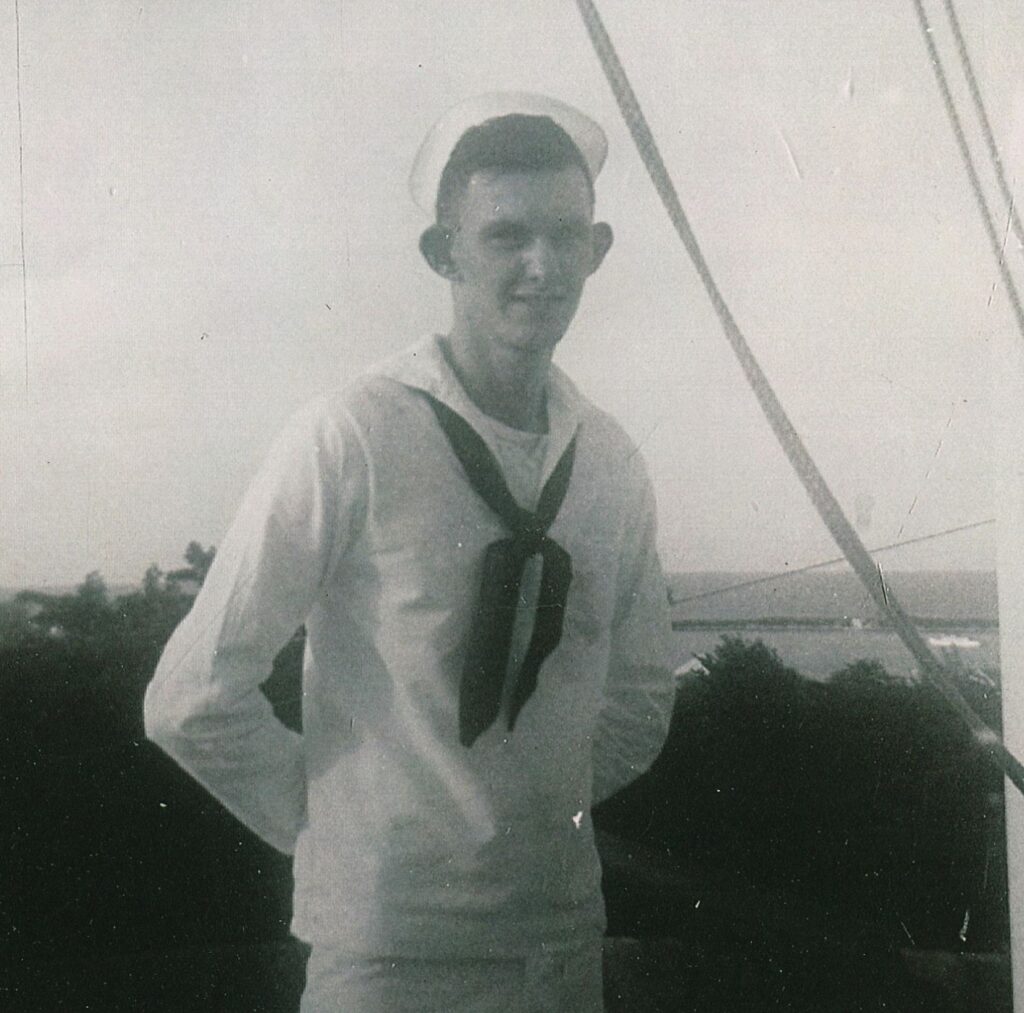
Born in Baltimore on July 28, 1932, Thomas built a life defined by service, faith, and family. After earning a degree from George Washington University, he proudly served in the U.S. Naval Reserve for eight years before beginning a distinguished career at NASA’s Goddard Space Flight Center in 1960.
Over the next 34 years, Thomas worked on groundbreaking aerospace projects, including the COBE satellite, the EUVE satellite, the Italian San Marco satellite, and the Hubble Space Telescope. His work took him across the country and around the world, from Wallops Island, Virginia, to Cape Canaveral, Florida, Vandenberg Air Force Base in California, the Italian Space Agency in Rome, and Kenya, Africa. Throughout his career, he received numerous awards and commendations recognizing his contributions to the nation’s space program. Yet Barbara Lewis says her father never measured success by professional accomplishments. “He loved family,” she says. “He loved having everyone together.”
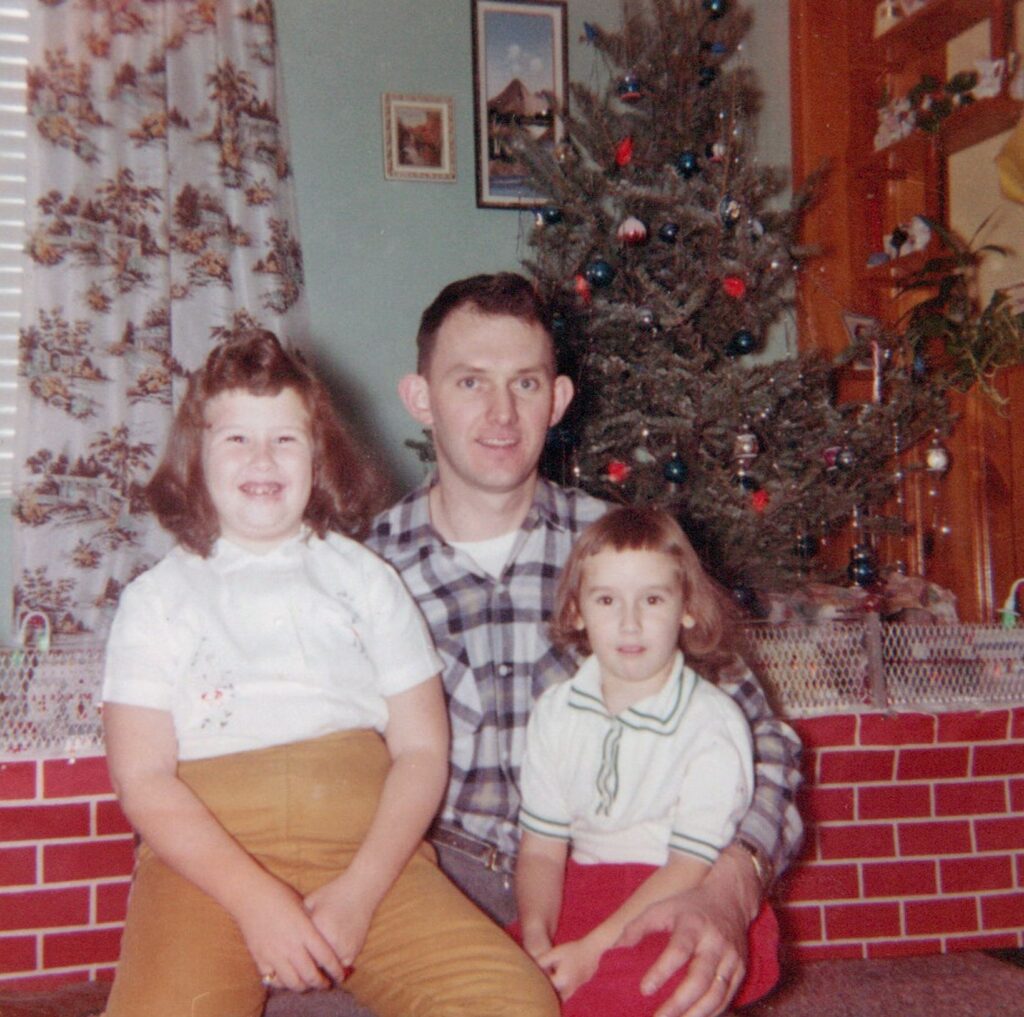
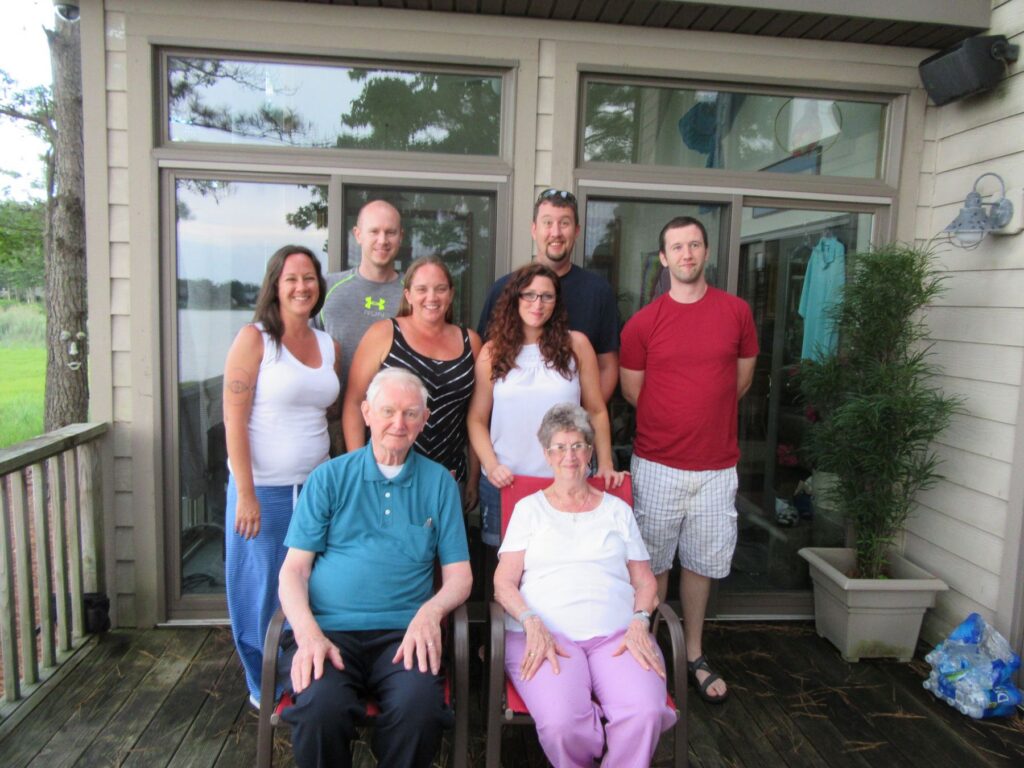
Thomas and Sandra built a close-knit family that included two daughters, four grandchildren, and five great-grandchildren. Every summer, the family gathered for beach vacations in Ocean City, often filling an entire house with laughter, meals, and memories. Those moments together became some of Thomas’ greatest joys.
Outside of work, Thomas lived a life rooted in service. He was a longtime member of St. Mary’s Catholic Church in Annapolis, where he served as Head Usher, Sacristan, and Eucharistic Minister. He was also a proud member of the Annapolis Elks, a 32-degree Scottish Rite Mason, and a member of the Boumi Temple Shriners Legion of Honor, participating in parades honoring veterans. Whether tending his vegetable garden, writing thoughtful letters to family and friends, or volunteering in his community, Thomas found fulfillment in caring for others. “He was always doing something for someone else,” Barbara says. “That’s just who he was.”
A New Chapter of Care
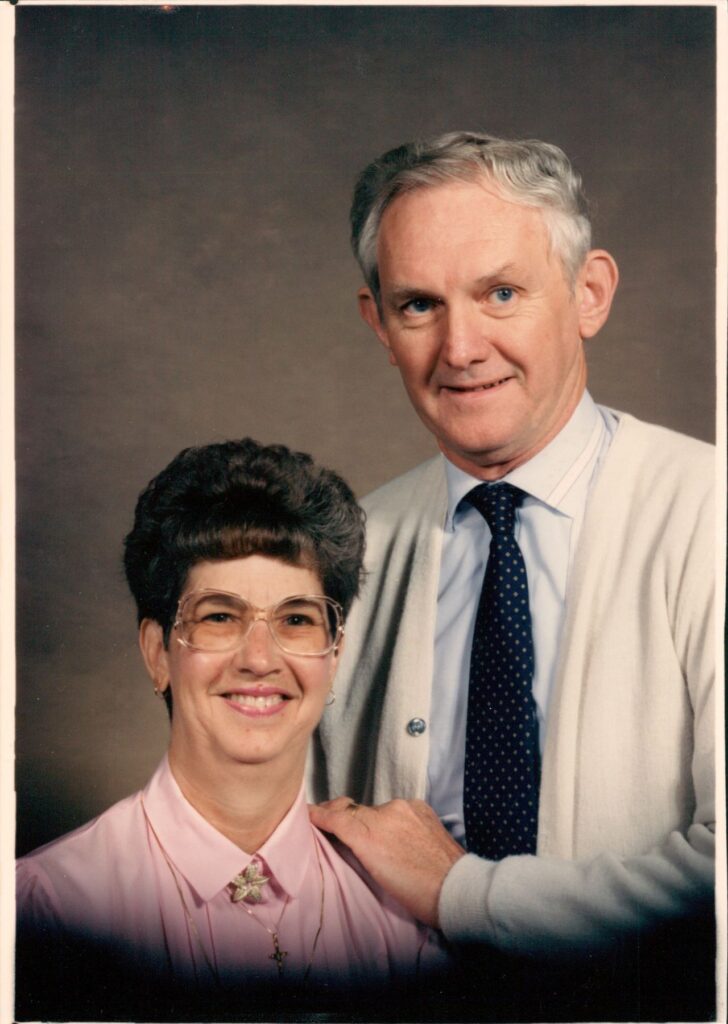
Several years ago, Thomas was diagnosed with myelodysplastic syndrome (MDS), a form of blood cancer his family knew could not be cured. For nearly two years, treatments helped manage the disease. Regular injections stimulated his bone marrow to produce blood cells, allowing him to continue enjoying life with his family. But eventually, those treatments stopped working. “He lost about 50 pounds,” Barbara recalls. “He became extremely weak.”
The disease also caused severe neuropathy, making it increasingly difficult, and eventually dangerous, for Thomas to walk. Even routine trips to medical appointments became exhausting. “It got to the point where taking him anywhere was really difficult,” Barbara says. “He could hardly walk anymore.”
Thomas’ oncologist gently explained that the treatments were no longer helping. Rather than continuing therapies that left him feeling miserable without improving his condition, he recommended palliative care. That conversation soon led the family to The Lifecare Institute, which provides an integrated continuum of hospice, palliative, and in-home medical care for adults living with serious or advanced illness throughout Anne Arundel and Prince George’s counties. Through the combined expertise of Luminis Health and Gilchrist, patients receive expert medical care along with emotional, spiritual, and practical support tailored to their unique needs.
Like many families, the Harbachs initially struggled with what hospice meant. Thomas associated hospice with giving up rather than receiving a different kind of care—one focused on comfort, dignity, and quality of life. Looking back now, Barbara wishes they had understood those benefits sooner. “I think people don’t realize how wonderful hospice can be,” she says. “People don’t understand the benefits of being able to stay home and have this incredible care come to you.”
The Gift of Home
Once Thomas enrolled in hospice through The Lifecare Institute, Barbara quickly realized hospice wasn’t about giving up. It was about living as comfortably and fully as possible while surrounded by the people he loved. Instead of spending precious time traveling to appointments, Thomas remained in the home he had built with his wife, Sandra, receiving expert medical care while continuing to enjoy quiet moments with family.
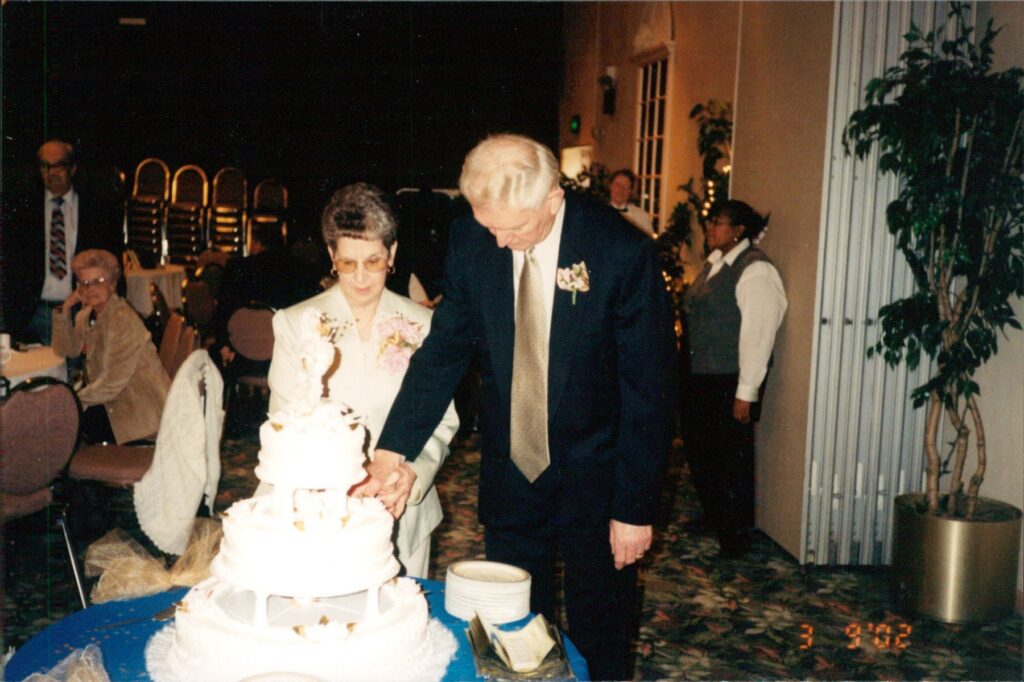
“We didn’t realize how wonderful hospice could be,” Barbara says. “Everything came to him. We didn’t have to struggle getting him dressed, getting him in the car, waiting in doctors’ offices. It allowed him to stay where he wanted to be.” For Barbara, one of the greatest gifts hospice provided was peace of mind. Her mother was 92 years old and had lovingly cared for Thomas throughout his illness, but as his condition worsened, the physical demands became overwhelming.
“I honestly don’t know how my mom would have managed without The Lifecare Institute,” Barbara says. “She wanted to take care of him herself, but she couldn’t do everything anymore. Having that support made all the difference.” That support came from an entire hospice team, but two people left an especially lasting impression on the family: Thomas’ nurse, Prince, and hospice aide, Kristin.
Barbara still smiles when she talks about Prince. “He was just incredible,” she says. “We honestly felt like we got the very best nurse.” Prince combined clinical expertise with genuine compassion, carefully managing Thomas’ symptoms while taking time to answer every question with patience and honesty. Just as importantly, he earned Thomas’ trust. “My dad always had questions, and Prince never rushed him,” Barbara says. “He explained everything so calmly and respectfully. Dad felt heard.”
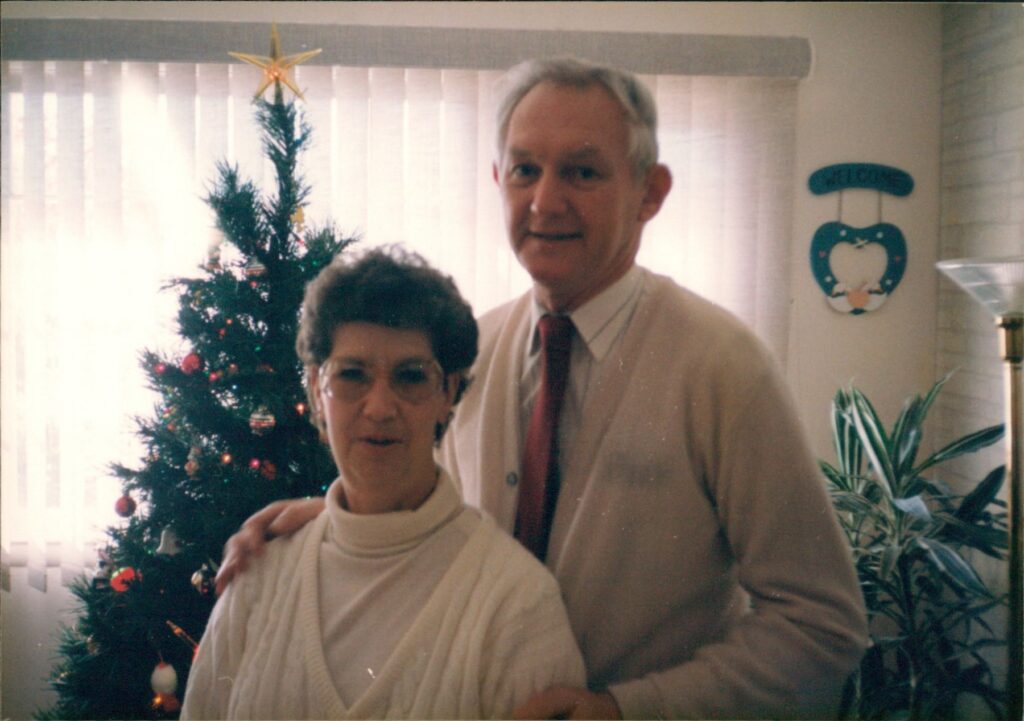
Because Prince kept Thomas comfortable and free from pain, the family no longer spent their days worrying about medications or symptoms. Instead, they were able to focus on what mattered most: simply being together. Kristin, Thomas’ hospice aide, brought a different but equally meaningful kind of comfort. “My dad just loved her,” Barbara says with a smile. “She was so gentle and kind.” As Thomas grew weaker, even basic daily tasks became difficult. Kristin helped him bathe, shave, get dressed, and feel like himself again. She treated him with dignity and respect every step of the way.
“She always encouraged him,” Barbara says. “She kept his spirits up and made him feel comfortable. She wasn’t just helping him physically. She was helping him emotionally, too.” Barbara says Kristin’s visits lifted everyone’s spirits, not just her father’s. “She brought comfort to our whole family.” Looking back, Barbara realizes hospice gave them something she hadn’t expected: permission to stop being full-time caregivers and simply become family again.
“Instead of worrying about all the medical things, we could sit with him, talk to him, laugh with him, hold his hand,” she says. “Those are the moments I’ll always remember.” As Thomas’ condition declined, The Lifecare Institute team gently prepared the family for what to expect, answering questions, offering reassurance, and ensuring he remained comfortable every step of the way. On July 11, 2026, Thomas passed away peacefully at home, exactly where he wanted to be, surrounded by the people he loved most.
Today, Barbara says the family’s overwhelming emotion isn’t sadness about how her father’s life ended. It’s gratitude. “I can’t say enough about everyone at The Lifecare Institute,” she says. “They treated my dad with so much dignity and compassion. We will always be thankful for everything they did for him—and for us.”
“Don’t Wait Too Long”
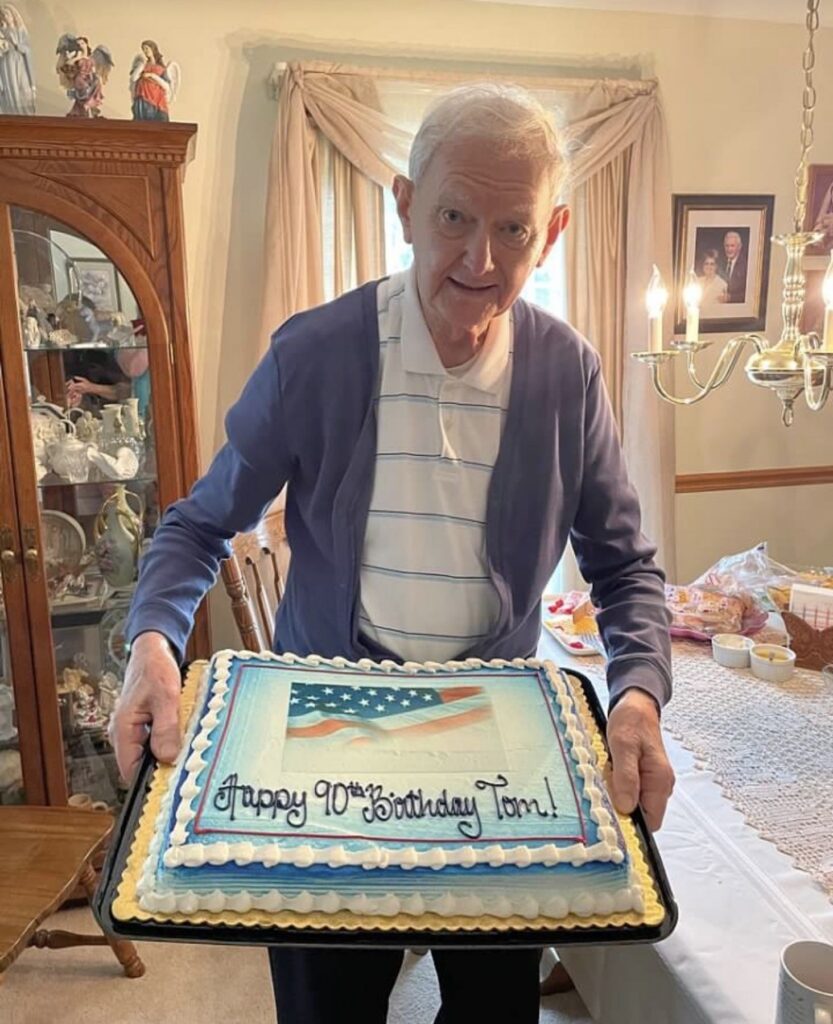
Today, when Barbara reflects on her family’s experience, one message rises above all the others. “I wish we had started hospice sooner,” she says. Like many families, Barbara admits they hesitated because they misunderstood what hospice really meant. They believed it meant giving up. Instead, they discovered it meant gaining a team of compassionate professionals who focused on helping Thomas live as comfortably and meaningfully as possible. “If someone is considering hospice, don’t wait,” Barbara says. “It’s such a blessing. We thought it was only for the very end, but we could have benefited from all of this support much earlier.” Barbara hopes sharing her family’s story will encourage others to have those conversations sooner and not let fear or misconceptions prevent them from receiving the care they deserve.
“Hospice isn’t about losing hope,” she says. “It’s about changing the focus. Instead of chasing treatments that aren’t helping anymore, you’re focusing on comfort, quality of life, and making the most of the time you have together.” That shift allowed the Harbach family to spend Thomas’ final months creating meaningful memories instead of navigating hospital visits and medical appointments. They were able to celebrate birthdays, enjoy quiet conversations, and simply sit together in the home Thomas loved. Those moments have become some of Barbara’s most treasured memories.
Compassion That Extends Beyond the Patient
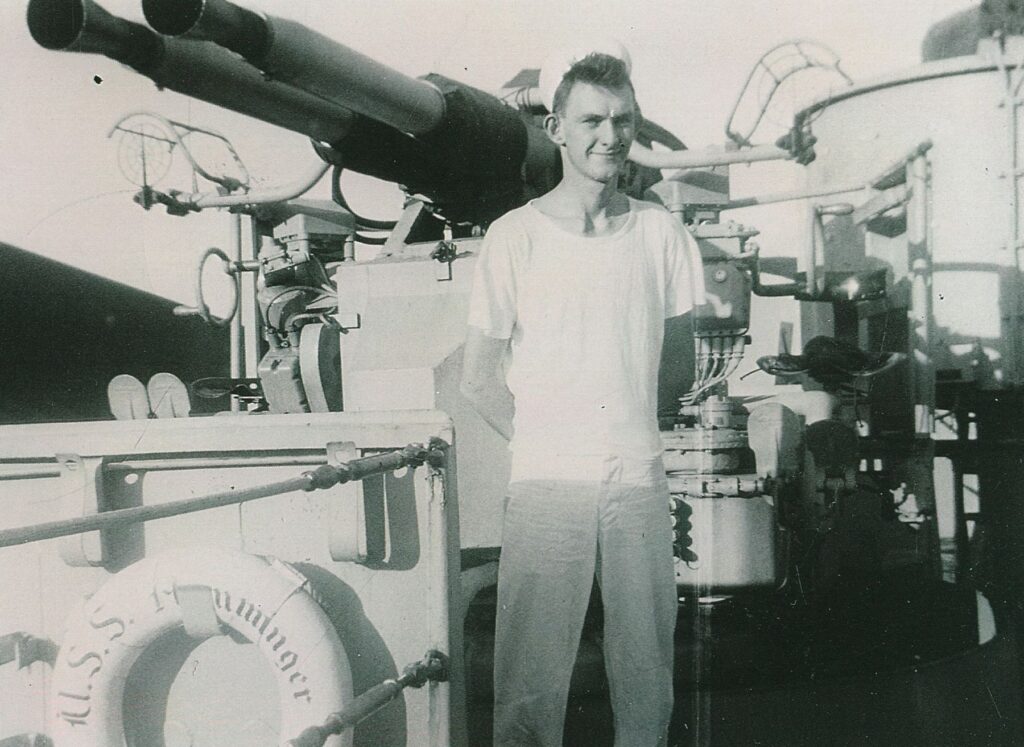
Barbara believes one of the greatest gifts The Lifecare Institute provided wasn’t just the exceptional care Thomas received—it was the support offered to the entire family. “When someone you love is seriously ill, the whole family is affected,” she says. “They cared about all of us.” Whether it was answering questions, offering reassurance, helping Sandra care for her husband, or simply providing a comforting presence, the team made sure no one walked the journey alone.
For Barbara, those services changed everything. Instead of remembering endless doctor’s appointments and exhausting trips out of the house, she remembers having the opportunity to simply be her father’s daughter. “My dad’s final months were peaceful,” Barbara says. “Because of The Lifecare Institute, we were able to focus on spending quality time together as a family. We will forever be grateful for their kindness, compassion, and extraordinary care.”
Because Compassion Continues Through Generosity
When Barbara reflects on her father’s final months, what stands out most isn’t the illness. It’s the peace her family found knowing Thomas was comfortable, cared for, and surrounded by the people he loved. Barbara hopes more families will experience that same sense of comfort and support when facing a serious illness. As a nonprofit organization, The Lifecare Institute relies on the generosity of donors to help provide programs and services that extend beyond traditional medical care. Philanthropic support helps fund services such as music therapy, volunteer companionship, grief counseling, caregiver support, veteran recognition, chaplaincy, and other specialized programs that bring comfort, connection, and dignity to patients and families.