
Hospice, Health Equity, and Compassionate Care for All
Each spring, World Health Day highlights global health priorities and the fundamental belief that health is a human right, not a privilege. At Gilchrist, that belief guides everything we do.
For patients and families facing serious illness, access to hospice, palliative, and geriatric care isn’t just about comfort. It’s about dignity. It’s about choice. And it’s about equity.
What Health Equity Means in Hospice Care
Health equity means that every person, regardless of race, ethnicity, income, language, disability, religion, gender identity, or zip code, has access to the care and support they need.

In hospice care, disparities still exist. Nationally, many communities, particularly communities of color and underserved populations, are less likely to access hospice services. Some families are referred later than they should be. Others may not receive information in their preferred language. Cultural misunderstandings can lead to hesitation or mistrust. World Health Day reminds us that improving health outcomes begins with addressing these gaps. Compassionate care is not one-size-fits-all. It must be individualized. At Gilchrist, health equity means:
- Meeting patients where they are: physically, culturally, and emotionally
- Providing education about hospice so families can make informed decisions
- Offering language access and culturally responsive care
- Ensuring care is available in homes, facilities, hospitals, and inpatient centers
- Supporting families before, during, and after a loss
Accessibility in Action
Equity begins with access. At Gilchrist, that commitment shows up in multiple ways:
- Website Accessibility
Digital access is an important part of health equity. Gilchrist’s new website incorporates accessiBe, an AI-powered web accessibility solution designed to improve usability for individuals with disabilities.

AccessiBe provides tools such as screen reader adjustments, keyboard navigation support, color and contrast controls, and text scaling options. While no technology alone guarantees complete accessibility, incorporating accessiBe reflects Gilchrist’s ongoing commitment to making online information about hospice, palliative, and geriatric care more usable and inclusive for as many people as possible. Because access to care often begins with access to information.
- Language Access

Health equity also means language equity. Gilchrist materials can be translated into most languages to ensure families fully understand their options. Some of the most common languages translated by our Marketing team include Russian, Spanish, Arabic, Korean, and Mandarin. We use professional translation and interpretation services through Language Line, a trusted vendor that supports both document translation and real-time interpretation.
When families call our Nurse Helpline, they are greeted with language options, including English, Spanish, and Korean, with interpreters available for additional languages as needed. Interpreters are available for all patients and families, and we also have volunteers who speak additional languages to provide culturally responsive support.
“Access to care starts with access to understanding,” says Rachel Taylor, Director of Marketing and Communications. “Whether that means improving website accessibility, translating materials into a family’s preferred language, or ensuring interpreters are available when families call us, we are committed to reducing barriers so every patient and family feels informed, respected, and supported.”
- The Neighborhood Concept of Care
Gilchrist’s geographic territories are organized into regional care teams, allowing staff to better understand the unique needs of the communities they serve. This approach fosters familiarity with local cultures, faith communities, senior living centers, and healthcare partners. By organizing care this way, teams are better positioned to build trust, strengthen relationships, and respond to the specific needs of each community. Health equity is not only about systems. It is about relationships.
- Community Health Outreach
Health equity extends beyond the bedside. Through strategic partnerships with local organizations, churches, housing communities, and advocacy groups, Gilchrist works to build trust and increase awareness about hospice, palliative, and geriatric care—long before families are in crisis.
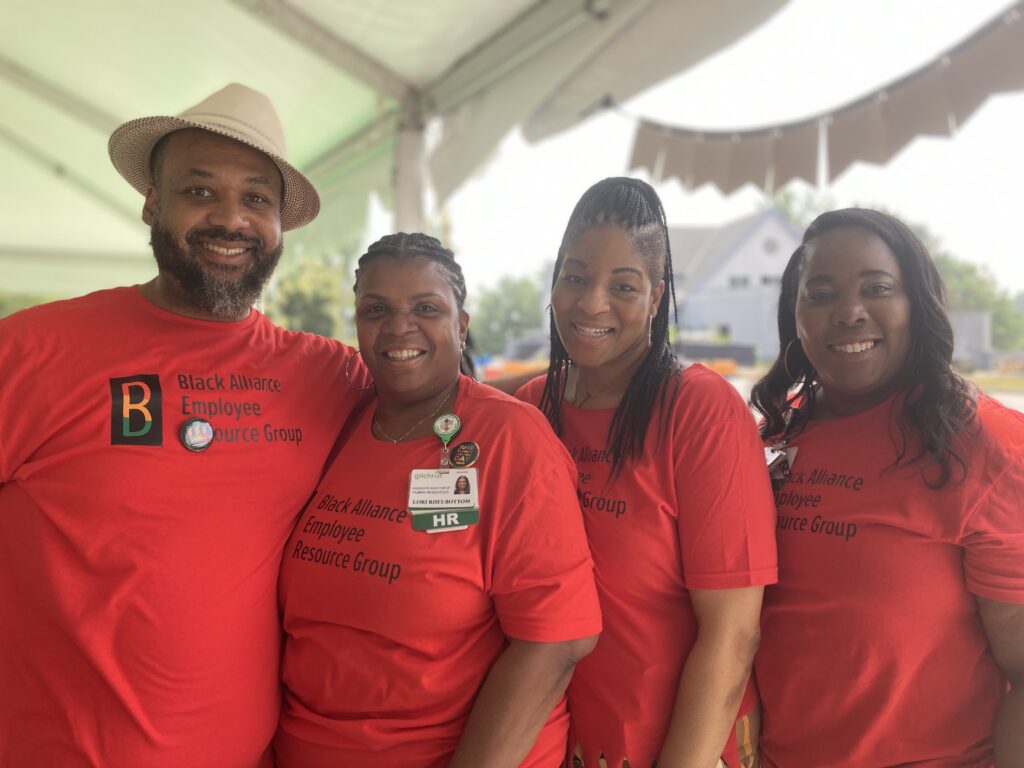
“By showing up consistently, whether at health fairs, churches, or community offices, we normalize the conversation about hospice,” says Wayman Scott, Associate Director of DEI and Community Relations. “That’s especially important in communities that have faced barriers, like mistrust or lack of information.”
Gilchrist collaborates with organizations such as the AAPI Commission for Howard County, the Latino Commission for Howard County, My Life Foundation serving the Korean American community, Pleasant Hope Baptist Church in Baltimore City, and Enterprise Residential. At outreach events, team members provide education and often offer basic screenings like blood pressure and blood sugar checks—helping families understand their options and access support earlier. “These efforts are about trust,” Wayman adds. “Partnerships let us meet families where they are, in places where they already feel safe and supported.”
Hospice as a Bridge to Equity
When families understand their options, they are empowered to make decisions that align with their values. When interpreters are available, conversations become clearer. When cultural traditions are respected at end of life, families feel seen. When care is delivered at home, families who may struggle with transportation or financial constraints can still receive expert support. Hospice, at its core, is about meeting people with dignity and compassion, wherever they are in life.
A Commitment to Every Community
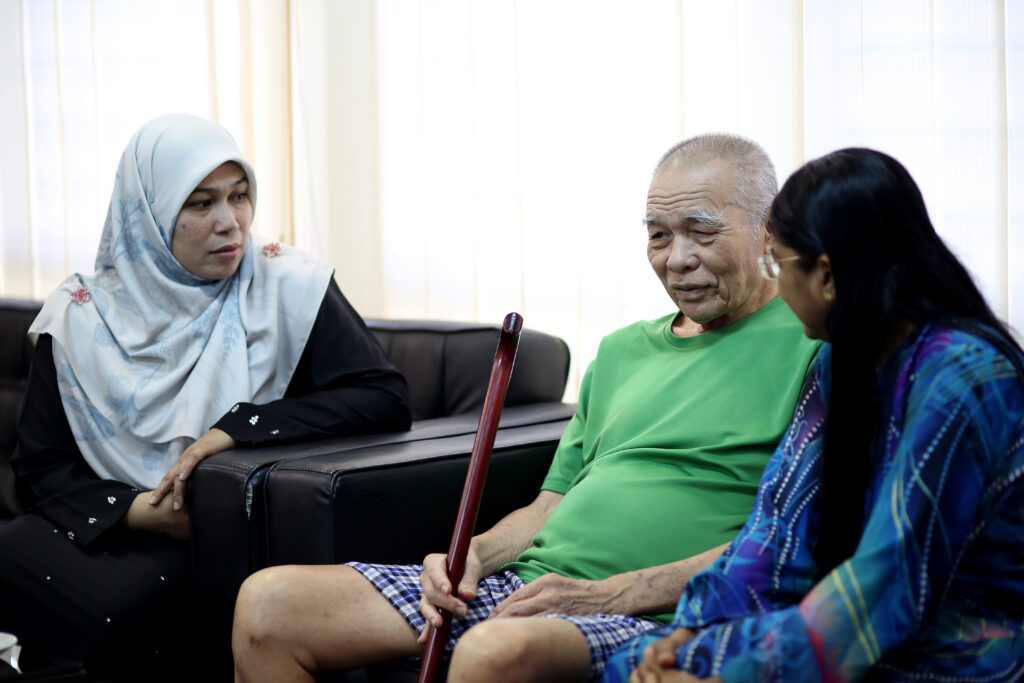
On World Health Day, we reflect on the importance of access to healthcare for all people, but our commitment extends far beyond one day. At Gilchrist, we strive to ensure that compassionate hospice, palliative, and geriatric care is available to every individual who needs it. That means continuing to listen, to learn, and to address disparities in access and understanding.
Serious illness is difficult enough. Accessing care should not be. Because health equity means that every person deserves comfort. Every family deserves support. And every life deserves to be honored with dignity.