

How Hospice Supports Families When Loss Is Sudden or Unexpected
When someone receives a terminal diagnosis, families often have time, sometimes weeks or months, to process what’s happening, prepare emotionally, and begin important conversations. But not every loss comes with warning. Sometimes a person declines very quickly. Sometimes an accident, stroke, or sudden medical event leaves families reeling, unsure what to do or where to turn.
In these moments of shock, families need support immediately. At Gilchrist, we walk beside them through every step, offering guidance, comfort, and practical help when time is limited or a loss is unexpected.
Compassionate Support the Moment You Call
When a loved one declines suddenly, families often feel overwhelmed by urgent decisions. Gilchrist’s 24/7 care teams respond quickly, offering:

- Immediate nursing support to assess the situation, help manage symptoms, and create calm during a frightening time.
- Guidance on what to expect next, especially when families have not had the chance to prepare for end-of-life care.
- Assistance navigating medical decisions, including whether hospice is appropriate now and what care can be provided at home, in a senior community, or in one of Gilchrist’s care centers.
Even when hospice care is brief, compassionate care can make an enormous difference for both the patient and the family.
Honoring and Supporting Veterans in Urgent Moments
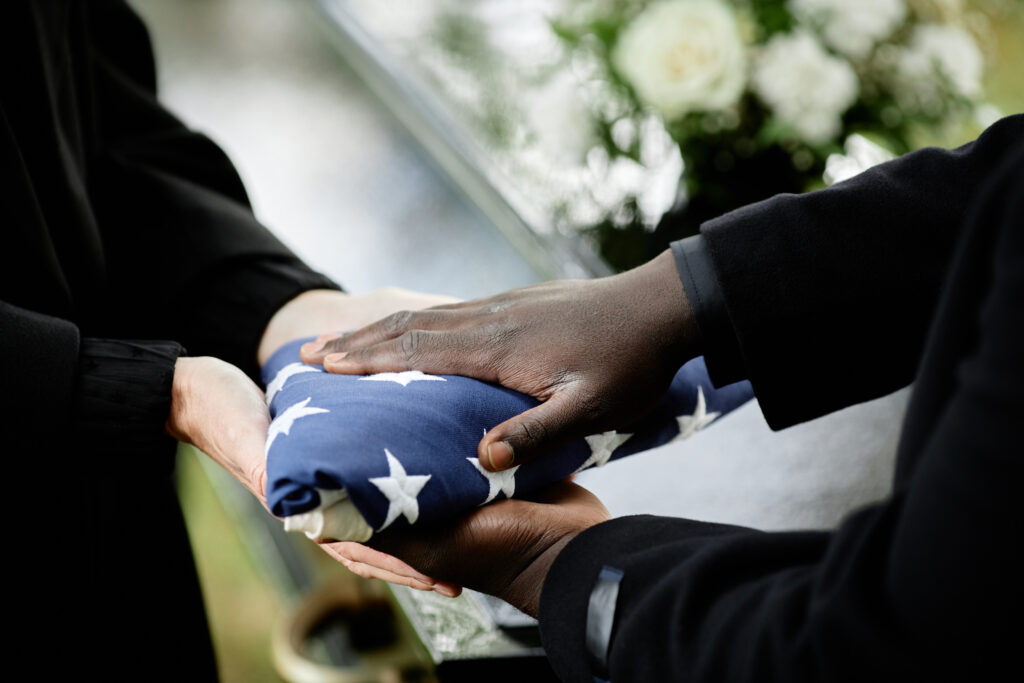
If the patient is a veteran, families sometimes struggle to understand benefits or military honors in the midst of crisis. These meaningful touches offer families a sense of dignity and recognition, even when time is short. Gilchrist’s We Honor Veterans team steps in to help when needed:
- Arranging a Salute to Service ceremony whenever possible
- Guiding families on VA burial benefits, military funeral honors, and next steps
- Providing emotional support from staff and volunteers who understand the unique needs of veterans and their families
Guidance After Loss: What Happens Next
Sudden loss often leaves families unsure about the practical steps that follow. In the first hours after a loved one dies, everything can feel chaotic and unreal. Families often tell us how grounding it is to have someone gently walk them through what needs to happen next so they’re not navigating those moments on their own. Clinical Social Worker Sarah Marshall explains the heart of this work: “When there’s a sudden loss, families often feel out of control and emotionally overwhelmed. Social workers sit with them in that moment, offering a grounding, calming presence while gently providing resources, like helping them choose a funeral home or understand what comes next, so they don’t have to navigate those first steps alone.”

Clinical Social Worker Angel Keil shares why these conversations, and even small moments of preparation, matter: “Whether you’ve known their death has been coming for months, or whether your loved one was diagnosed a few weeks ago, experiencing that moment of loss can be very overwhelming and filled with so many emotions. There’s no ‘guidebook’ for moments like these. While they can be difficult, having discussions regarding final arrangements and encouraging people to make those decisions ahead of time is critical. When the moment of death occurs, not having to immediately worry about who to call next allows the time to sit in that sacred space with their emotions, honoring their loved one.”
Gilchrist’s care teams, especially our social workers, help shoulder this weight by offering:
- Support contacting a funeral home or suggesting options if the family does not have one selected
- Help understanding required paperwork, including pronouncement, transport, and authorizations
- Assistance coordinating medications and equipment pickup, ensuring the home is safe and families are not left with confusing or unexpected tasks
- Calm, knowledgeable guidance when families are overwhelmed or in shock
Grief Support When You Didn’t Have Time to Prepare

Sudden loss often brings intense emotions—shock, regret, confusion, anger—and families may feel pulled in many directions. Families who had little time to prepare often benefit greatly from early counseling, especially when navigating trauma, unanswered questions, or sudden life changes. Gilchrist’s grief counselors offer support tailored to the unique experience of unexpected loss:
- One-on-one counseling
- Support groups for spouses, adult children, parents, and others coping with loss
- Workshops and remembrance events that help families feel connected and supported
- Specialized resources for children and teens, who may struggle to understand sudden loss
For Families Who Need Extra Support
Our team’s goal is always the same: to steady families during one of the hardest experiences of their lives. Gilchrist also helps connect families with additional resources, including:
- Community support services
- Spiritual care and chaplaincy support
- Assistance coordinating with physicians, case managers, and senior living communities
- Legacy and memory-making opportunities, even when time is limited
You Are Not Alone—Gilchrist Is Here to Help
Whether a loved one’s decline is expected or comes without warning, no family should face the final hours alone or unprepared. Gilchrist brings knowledge, calm, and compassionate care to every situation, especially when there is little time.
If you or someone you love needs immediate support, please call us at 888.823.8880 or visit gilchristcares.org to learn more about how we can help.