

A Calm Presence at the Bedside: How Gilchrist End-of-Life Doulas Support Patients and Families
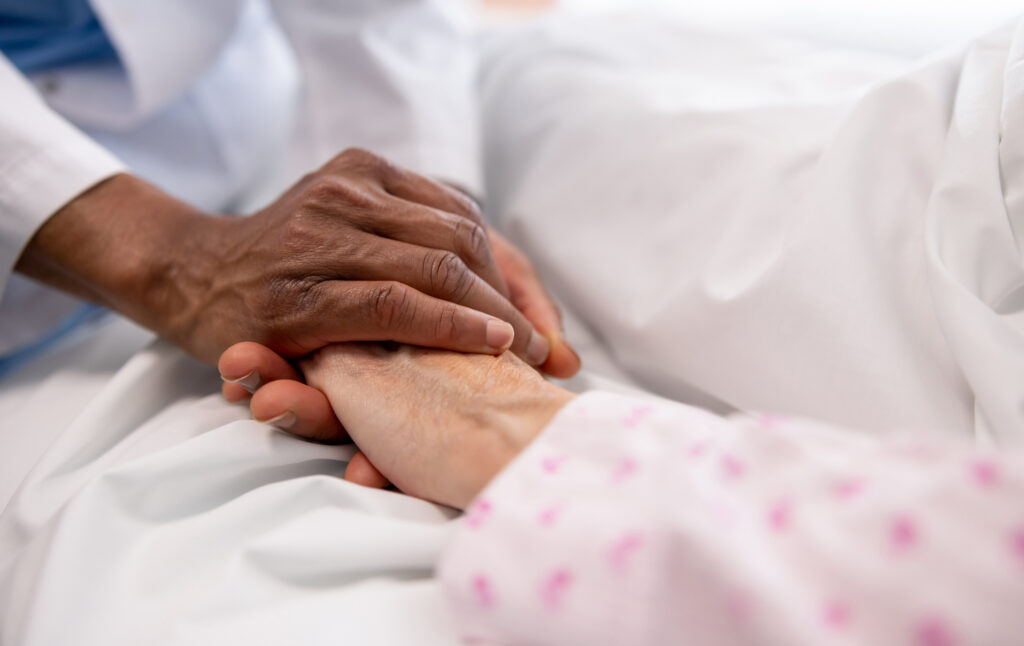
When someone is nearing the end of life, families often describe time as both urgent and slow. Decisions pile up. Emotions come in waves. And in the quiet hours, especially overnight, one worry can rise above the rest: Will my loved one be alone?
Gilchrist’s end-of-life doulas help answer that worry with a steady, compassionate presence. They are trained volunteers who sit bedside at the request of a patient or family, offering companionship, reassurance, and support for caregivers who may desperately need rest. End-of-life doula Tami Ito describes the role simply: “It is not witnessing someone dying. It is being witness to their end-of-life journey.”
A Presence and a Witness
The word “doula” is often associated with birth, but at Gilchrist, end-of-life doulas provide support during a different transition. Their role is not clinical. They do not replace nurses, social workers, or chaplains. Instead, they offer something simple and powerful: a steady presence, a witness, and support for caregivers who may desperately need rest. As Gilchrist end-of-life doula Tami Ito explains, the role is less about “doing” and more about “being.”
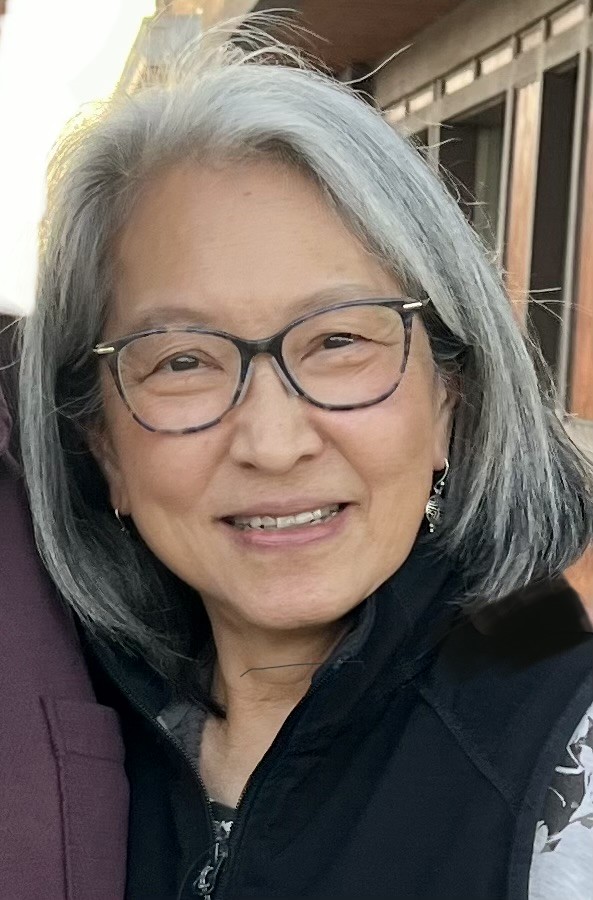
For Tami, this kind of bedside support is a natural extension of a life shaped by service and care. After college, she served as a Peace Corps education volunteer in rural Kenya. She later earned a master’s degree from the Johns Hopkins Bloomberg School of Public Health and spent her career in international public health—developing child survival programs, supporting refugee health efforts, and working in nonformal health education and research across Africa and Southeast Asia. Her work took her to Kenya, Somalia, Nigeria, Zambia, Thailand, and Cambodia, including Cambodia’s first post-war U.S. aid initiatives. She also worked in public health research, including NIH HIV/AIDS prevention programs in Africa and research in Baltimore with an IV drug-using community. Now, as a Gilchrist end-of-life doula, she brings that same grounded, steady approach into hospice settings—focused on dignity, calm, and what families need most in the moment.
What Is an End-of-Life Doula?
At Gilchrist, end-of-life doulas serve as:
- A presence and witness during the dying process, when the patient or family requests someone by the patient’s bedside
- A guide for caregivers, reinforcing what the care team has shared and helping families feel less alone in a frightening moment
- An advocate for comfort, especially in facilities, by noticing signs of discomfort and communicating concerns through the appropriate channels
- Respite support, often filling in between “family shifts” or during overnight hours
How a Doula Request Works
End-of-life doula support is available when a patient is nearing the final stages of life, and the care team or family feels an additional bedside presence would be helpful. While social workers often initiate these conversations, nurses may also request a doula based on the patient’s condition and family needs.

According to Patti Holbrook, Volunteer Services Administrative Coordinator at Gilchrist, the process is designed to be responsive and flexible so that doulas can be present when families need them most. “When a patient is actively dying or on impending death, the social worker or nurse may discuss the option of an end-of-life doula with the family,” Patti explains. “If the family would like that support, the care team contacts Volunteer Services, and we work to match them with an available doula.”
Once a doula is identified, the Volunteer Coordinator shares the doula’s name with the caregiver or family. The doula then reaches out directly to confirm the visit time and any preferences that may help create a comforting bedside environment. To ensure timely support, Gilchrist also maintains an on-call end-of-life doula schedule on weekends. Each Friday, Patti distributes the on-call list to the NEWS Team, Gilchrist triage, and social workers so that staff can contact a doula quickly if a need arises. “This has been a wonderful way for doulas to provide support when families may need it most,” Patti says.
What a Typical Visit Looks Like
No two bedside visits are identical. But many follow a similar rhythm, shaped by the family’s needs and the patient’s comfort.

A doula may:
- Call or text the caregiver to coordinate timing and understand what the family wants most
- Ask small but meaningful questions, like how the patient prefers to be addressed
- Create a calm environment: quiet music, gentle lighting, respectful stillness
- Sit bedside for hours, sometimes overnight
- Observe comfort level, adjust bedclothes, or note signs of pain or agitation
- Communicate updates to caregivers, especially after an overnight shift
Tami often asks families what matters most to them in the final days. For many families, the request is rooted in exhaustion, especially when a loved one is in a facility and family members have been keeping vigil day after day. “It allows the caregiver and family respite,” Tami says. “A chance to step away and know someone is there bedside.”
Another Perspective: Richard Gula on “Being Present”
Gilchrist end-of-life doulas bring different backgrounds and worldviews to the role. Richard Gula, a volunteer end-of-life doula at Gilchrist, describes his approach as grounded in presence, reverence, and the human need for connection.
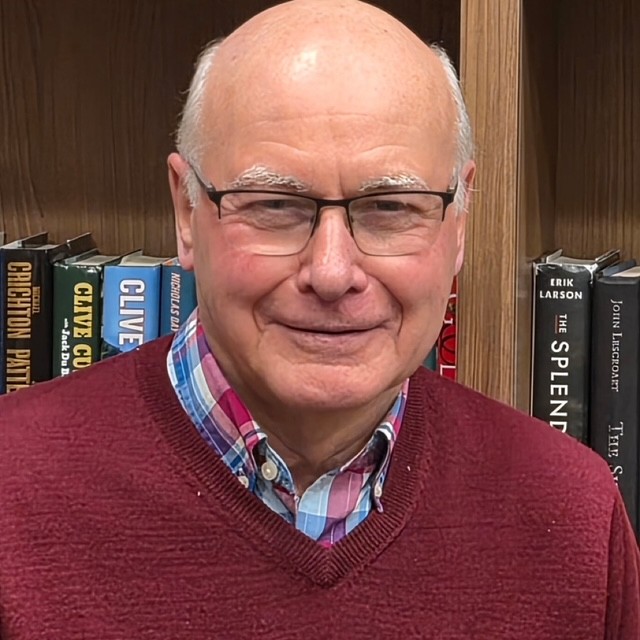
Before retiring, Richard was a professor of medical ethics with a specialty in end-of-life ethics. He served on hospital ethics boards and made presentations for the hospice community in Northern California. When he learned that Gilchrist served the Charlestown community, he became a volunteer and made himself available wherever he was needed, including as an end-of-life doula. In Richard’s words, the core of the role is accompaniment. “Being present to the dying can be a passive presence of sitting in silence,” he says, “or an active presence of providing caring touch… or creating a supportive environment (music or religious rituals).”
For Richard, “being present” can also be spiritual. For those who share his Christian faith, he frames the role through a familiar image: staying near someone who is suffering, even when you cannot fix what is happening. At the heart of it, his focus returns to the same theme Tami describes: connection. “In my mind, the greatest human hunger is the hunger to be connected,” Richard says. “Meaning comes from connecting with the dying and staying with them so that they do not die alone.”
Considering Becoming an End-of-Life Doula?
For anyone considering this kind of volunteering, both doulas encourage people to be honest about what the role requires. Tami says she asks herself one question when a request comes in: What else could I be doing right now that would be more important than this?

Richard frames it as a series of personal questions:
- Can you tolerate silence for a prolonged period?
- Can you sit with a stranger and offer them the same respect you would offer someone you love?
- Can you be “useful” without fixing anything?
- Can you be faithful to the role without feedback or reassurance?
In the end, the role asks for something countercultural: patience, quiet, and willingness to stay.
Gilchrist End-of-Life Doula Training and Program Details
Gilchrist’s end-of-life doulas are trained volunteers who complete hospice volunteer training and additional doula-specific education focused on the dying process, bedside presence, communication, boundaries, and appropriate partnering with the hospice care team. Unlike private paid doula programs, Gilchrist doulas serve within a nonprofit hospice model and function as part of a coordinated care approach, supporting families while the clinical team manages medical care and symptom relief.