

Become a Gilchrist Volunteer
A Gilchrist volunteer is invaluable to the care we provide families, and there are many ways you can help.
Make a Difference and
Join Our Volunteer Team Today
Discover the joy of making a meaningful impact by
becoming a Gilchrist volunteer today!
Ways Gilchrist Volunteers Make a Difference
Our volunteers help in numerous ways. Most of our volunteers work directly with those we serve, while others assist with administrative duties, help at special events or lead grief support groups. Additionally, some volunteers may assist by making follow-up phone calls to our bereaved or provide grief companionship. All volunteers receive specialized training. However, a volunteer may also choose to receive more concentrated training in one or more additional areas, such as bereavement, pediatric, end-of-life doula services or spiritual care.
Below are just a few of the ways our volunteers can make a difference:
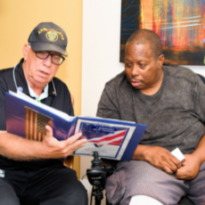
Patient Care
- Home Care: Volunteers offer up to 3 hours weekly to provide emotional and psychosocial support to both patients and their caregivers. Our focus is on personal engagement and NOT on performing tasks such as errands and cleaning.
- Hospice Care Centers: Volunteers visit patients and families in our Gilchrist Centers in Baltimore City, Howard County or Towson.
- Senior Living Community: Volunteers visit individuals once a week in independent, assisted or nursing home facilities.
There are a variety of volunteer opportunities including:
- Caring and shalom check in phone calls;
- Tech Tutors to assist with patient and family members staying connected using technology;
- Reiki and massage therapy;
- End of life doulas to support the actively dying
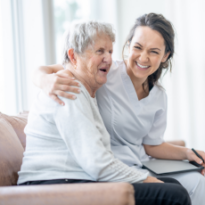
Caregiver support
Licensed PTC (Powerful Tools for Caregivers) Class Leader Volunteers to lead this program consisting of a series of six weekly classes to increase support for caregivers in the community. The groups are designed to impart self-care tools and strategies for caregivers to reduce stress, manage emptions, retain, or gain self-confidence as a care provider, and identify additional local resources. Volunteers will be paid to take this training.
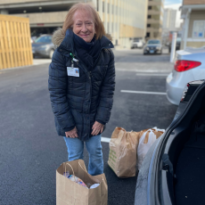
Deliver Food
Through the Pantry to Porch program, we empower volunteers to make a direct impact to our patients and families in the community. Volunteers play a vital role in delivering essential food supplies from our partner agencies directly to the doorsteps of families facing food insecurity. By lending a helping hand through this program, volunteers not only provide much-needed nourishment but also offer a gesture of compassion and support to those in need.
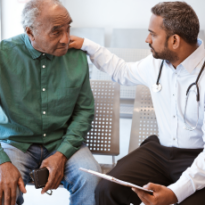
Providing grief support assistance
Our compassionate volunteers provide invaluable support as bereavement companions, offering companionship and empathy to individuals navigating the challenging journey of grief. Whether attending in-person grief group sessions or participating via Microsoft Office Teams, our volunteers offer a comforting presence and a listening ear to those in need. With their understanding and support, individuals find support, strength, and connection as they navigate the complexities of loss and grief.
Opportunities that do not involve direct patient care:
- Administrative Assistants to help conduct office tasks to support the work of the organization such as completing admission packets, data entry, etc.
- Public Speakers to aide in the Gilchrist Ambassadors Speakers’ Bureau. These volunteers will go into the community to speak at senior centers, corporations, and other venues to talk about Gilchrist and end-of-life issues. Volunteers give talks to community groups of all kinds on a variety of topics to educate the public on hospice and end of life issues.
Specialized Gilchrist Volunteer Roles
While we welcome volunteers in any area, we are especially in need of volunteers to fill the following specialized roles:
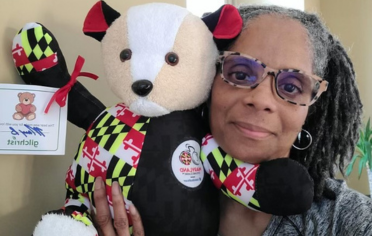
Sewists
Skilled sewists craft heartfelt keepsakes for our bereaved families such as memory bears, and pillows. Volunteers turn cherished articles of clothing into a custom memento.
We also have knitters, quilters, and crocheters to create patriotic red, white and blue lap blankets to present to our veterans.
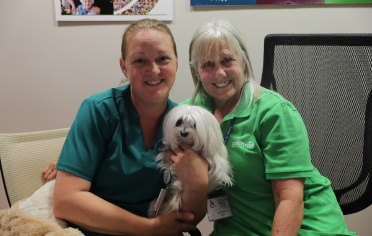
Pet Love
Certified volunteers and their therapy dogs serve as comfort, bringing smiles to the faces of patients in various settings including homes, senior living communities, and hospice care facilities.
Visits provide invaluable companionship and emotional support to patients and their families.
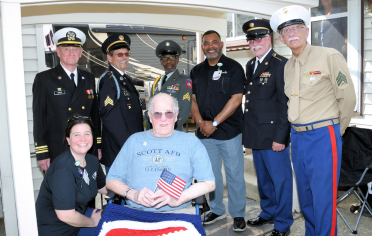
Veterans
Assist in the We Honor Veterans program. We are looking for men and women who are either veterans or are currently serving in the armed forces to help us recognize our veterans for their service.
Many of our Veterans are honored through Salute to Service Ceremonies, Vet to Vet Cafes and Visits, and events.
How to Become a Volunteer:
Who Qualifies for the Traditional Adult Program?
Individuals over the age of 18 and not currently enrolled in school. Students enrolled in any post-secondary school including undergraduate, graduate, post-baccalaureate or medical school, please apply through the College Program below.
Who Qualifies for the College Program?
Students enrolled in any post-secondary school including undergraduate, graduate, post-baccalaureate or medical school. Individuals currently in a gap/glide year and preparing to apply to medical school.