


Honoring Black History Month: Advancing Equity in Hospice and End-of-Life Care
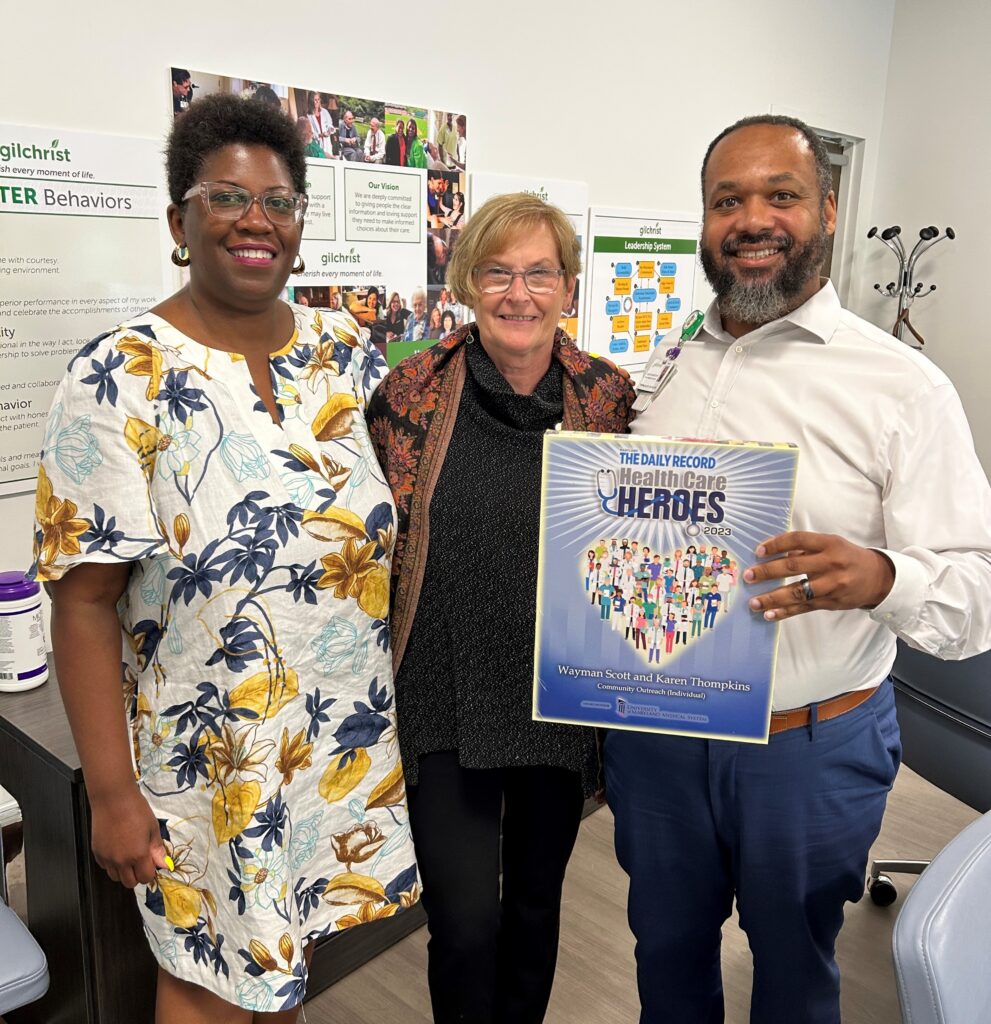
Black History Month is a time to honor the resilience, contributions, and leadership of Black Americans, past and present, while also reflecting on the work that remains to ensure equity across all areas of society, including healthcare. In hospice and palliative care, Black leaders, clinicians, advocates, and community members have played a vital role in expanding access, shaping compassionate care models, and addressing long-standing disparities at the end of life.
At Gilchrist, Black History Month is not only about reflection, but also about action. It is an opportunity to reaffirm our commitment to providing comfort, dignity, and support to every individual and family we serve, regardless of race, background, or financial situation.
Understanding Disparities in Hospice Care
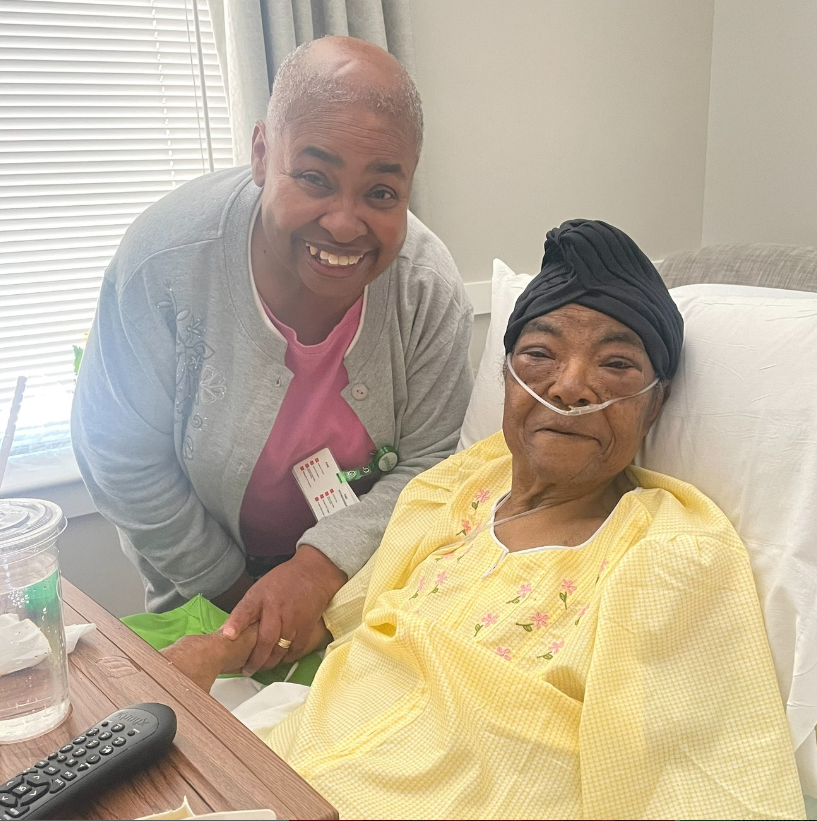
Nationally, Black/African American individuals are significantly less likely to use hospice services than Caucasian individuals, even when facing similar serious or life-limiting illnesses. Factors contributing to this gap include limited access to care, lack of insurance, cultural preferences for aggressive treatment, language barriers, and a deep-rooted mistrust of the healthcare system shaped by historical and ongoing inequities.
These disparities matter. Hospice care can reduce pain and symptom burden, prevent unnecessary hospitalizations, and offer emotional and spiritual support for both patients and families. When communities are excluded or hesitant to engage with hospice, they miss out on care that can meaningfully improve quality of life during a critical time.
Building Trust Through Community Engagement
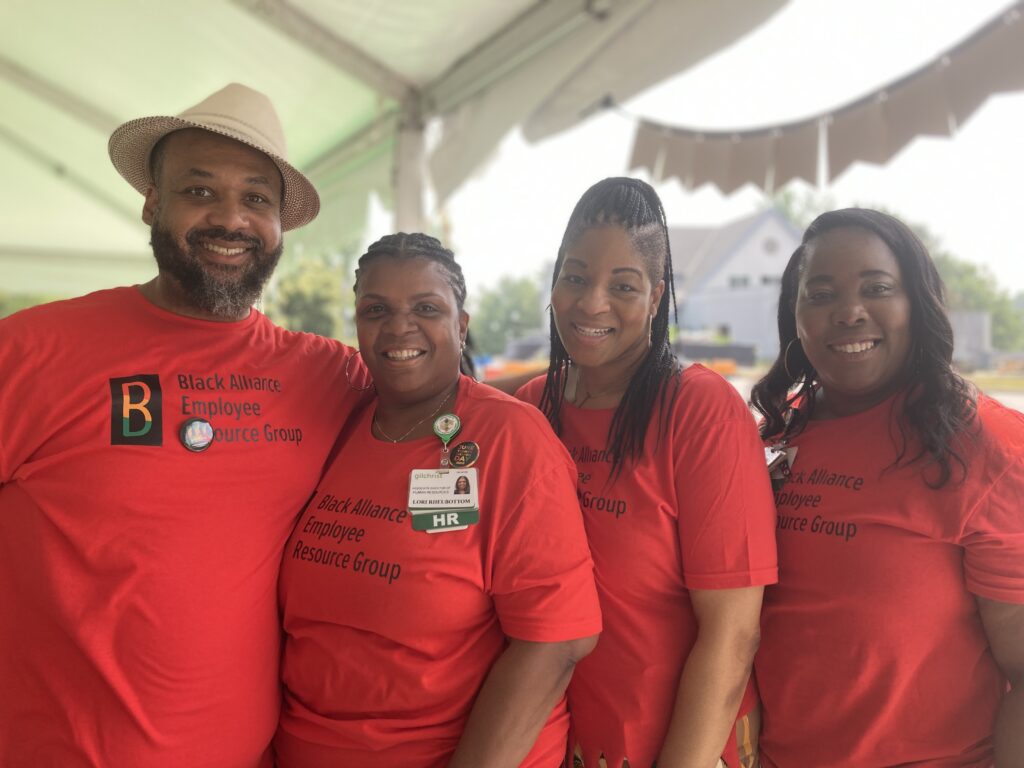
Gilchrist is working to address these inequities by meeting people where they are and partnering with trusted community organizations. Through education, outreach, and culturally responsive care, we aim to demystify hospice and create space for open, honest conversations about end-of-life support. “We’re going into communities and humbly asking what we can do to better serve their needs,” says Wayman Scott, Associate Director of Diversity, Equity, and Inclusion at Gilchrist.
Our approach includes:
- Hosting community listening sessions to understand concerns, beliefs, and priorities
- Partnering with local faith-based and community organizations
- Providing multilingual resources and culturally sensitive care
- Training staff to deliver care that respects cultural values and lived experiences
Honoring and Supporting African American Veterans

Black History Month also provides an important opportunity to recognize African American veterans, whose service to our country has not always been met with equitable access to healthcare. African American veterans are less likely than their White counterparts to receive hospice care, despite often facing higher rates of serious illness.
Through Gilchrist’s We Honor Veterans program, we strive to ensure that veterans receive recognition, respect, and personalized end-of-life care. Our efforts include Salute to Service ceremonies, the Veterans History Project in partnership with the U.S. Library of Congress, veteran-to-veteran companionship, and community-based initiatives that connect veterans with meaningful expressions of gratitude.
Continuing the Work Beyond Black History Month
Black History Month reminds us that equity in healthcare is not a one-month commitment, it is ongoing work. At Gilchrist, advancing access to hospice care means continuing to listen, adapt, and build trust with communities that have historically been underserved or excluded. By honoring the legacy of Black leaders in healthcare and investing in inclusive, community-centered care today, we move closer to a future where every person can experience dignity, comfort, and support at the end of life.
To learn more about Gilchrist’s commitment to diversity, equity, and inclusion, and how we are expanding access to hospice care in underserved communities, visit gilchristcares.org/about.