


Navigating Grief During the Holidays: Coping Strategies for Finding Peace in a Difficult Season
The holiday season is often portrayed as a time filled with joy, celebration, and togetherness. But for those grieving the loss of a loved one, this time of year can feel particularly heavy. The contrast between festive expectations and the reality of grief can intensify feelings of sadness, loneliness, or even guilt. If you or someone you love is navigating loss this holiday season, it’s important to remember you are not alone—and that it’s okay for your holidays to look different.

Gilchrist Clinical Counselor Dawn Tippett explains, “The holidays can be especially hard for people who are grieving because the season highlights the absence of the person they’ve lost. Traditions, gatherings, and expectations of joy can intensify feelings of loneliness, sadness, and emotional overwhelm.”
At Gilchrist, we support families through some of their most difficult moments. Here are some compassionate, practical strategies to help you cope with grief during the holidays in a way that honors both your well-being and the memory of your loved one.
1. Give Yourself Permission to Feel Whatever You Feel
Grief doesn’t take a holiday. You may experience waves of sorrow, moments of joy, or unexpected emotional triggers. Allow yourself to feel without judgment. Your emotions are valid and deserving of gentle care.
- There is no “right” way to grieve.
- There is no timeline.
- There is no expectation to be cheerful.
2. Set Healthy Boundaries
Holiday gatherings can be overwhelming. It’s okay to decide what you can realistically handle.
- Say “yes” only to events that feel supportive.
- Leave early if you need to.
- Let loved ones know what you’re comfortable with this year.
You have permission to prioritize your emotional well-being. Dawn explains that “open communication is key for people who are grieving during the holidays. When they can be honest about their limits, preferences, and emotions, it reduces pressure, prevents misunderstandings, and allows family and friends to support them in ways that actually help.”
3. Create New Traditions—or Honor Old Ones
Grief can make familiar traditions feel painful, but it can also open the door to new ways of finding comfort. For some, holding onto beloved traditions keeps the memory of their loved one close. For others, making a change feels more healing.

Gilchrist Clinical Counselor Alexandra “Allie” Wolfing often reminds grievers that it’s okay to give themselves permission to do something different if staying home or following old routines feels too hard. She shares her own experience from her first holiday season after her father died: “It was the first Thanksgiving without him. My mom and I were in Florida at the time and decided to drive to Key West—a place my dad loved but hadn’t visited in a long while. Instead of being at home, just the two of us, missing my dad yelling at the television during football games while we cooked, we opted for an adventure. We felt my dad’s presence as we watched beautiful sunsets.”
Her story is a reminder that it’s okay to change plans, try something new, or seek a place that brings comfort. As Allie says, “Giving grievers the permission to change things helps. They will know what is right for them.”
Choose what feels meaningful for you in this season. Consider honoring your loved one or yourself by:
- Lighting a candle in their memory
- Preparing one of their favorite dishes
- Sharing stories at a family gathering
- Taking a trip or doing something that feels restorative
- Creating a new ritual that brings peace
4. Lean on Your Support System
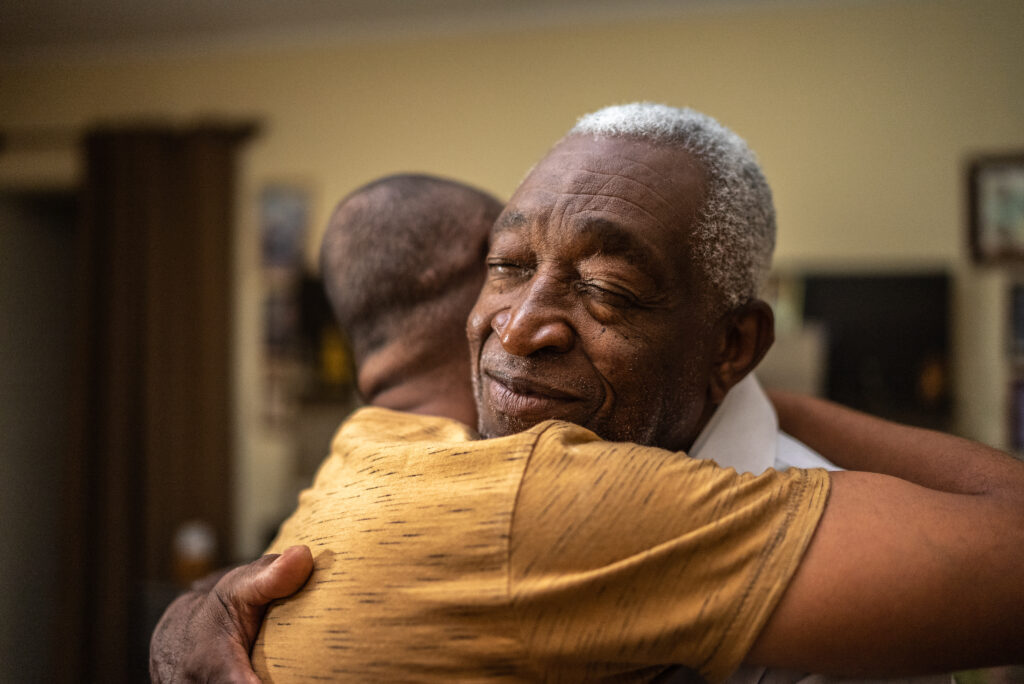
Grief can feel isolating. Reaching out to others can help lighten the weight.
- Talk with trusted friends or family.
- Join a support group—many find comfort in being with others who understand.
- Seek professional counseling if emotions feel overwhelming.
Gilchrist offers resources and counseling to families coping with loss. You don’t have to walk this path alone.
5. Be Gentle With Your Body and Mind
Stress and sadness can take a toll on physical health. Self-care isn’t selfish—it’s essential. Care for yourself with small, intentional acts:
- Get adequate rest
- Nourish your body with balanced meals
- Take a walk outdoors
- Practice deep breathing or meditation
- Set aside quiet time in your day
6. Allow Moments of Joy Without Guilt

Finding moments of happiness during grief is not a betrayal. Laughter, comfort, and connection are part of healing. Joy does not diminish your love for the person you’ve lost—it honors the life and warmth they brought to yours.
7. Reach Out for Professional Support When Needed
If your grief feels too heavy to manage alone, professional support can make a meaningful difference. Gilchrist provides grief counseling, workshops, and support groups designed specifically for coping during the holidays. Healing isn’t about “getting over” loss—it’s about learning to live with it while finding ways to move forward with compassion for yourself.
You Are Not Alone
The holidays may never feel the same after losing someone you love, but with support, understanding, and space to grieve in your own way, they can still hold meaning. Gilchrist is here to walk alongside you—offering comfort, resources, and hope as you navigate the season. If you or someone you know needs grief support, please reach out to Gilchrist. We’re here to help. Visit: https://gbmchealthcare.formstack.com/forms/gilchrist_bereavement_referral or call 888-823-8880.